

The New Rhineland S-Bahn
The 1:1 scale model offers a realistic look at these innovative vehicles

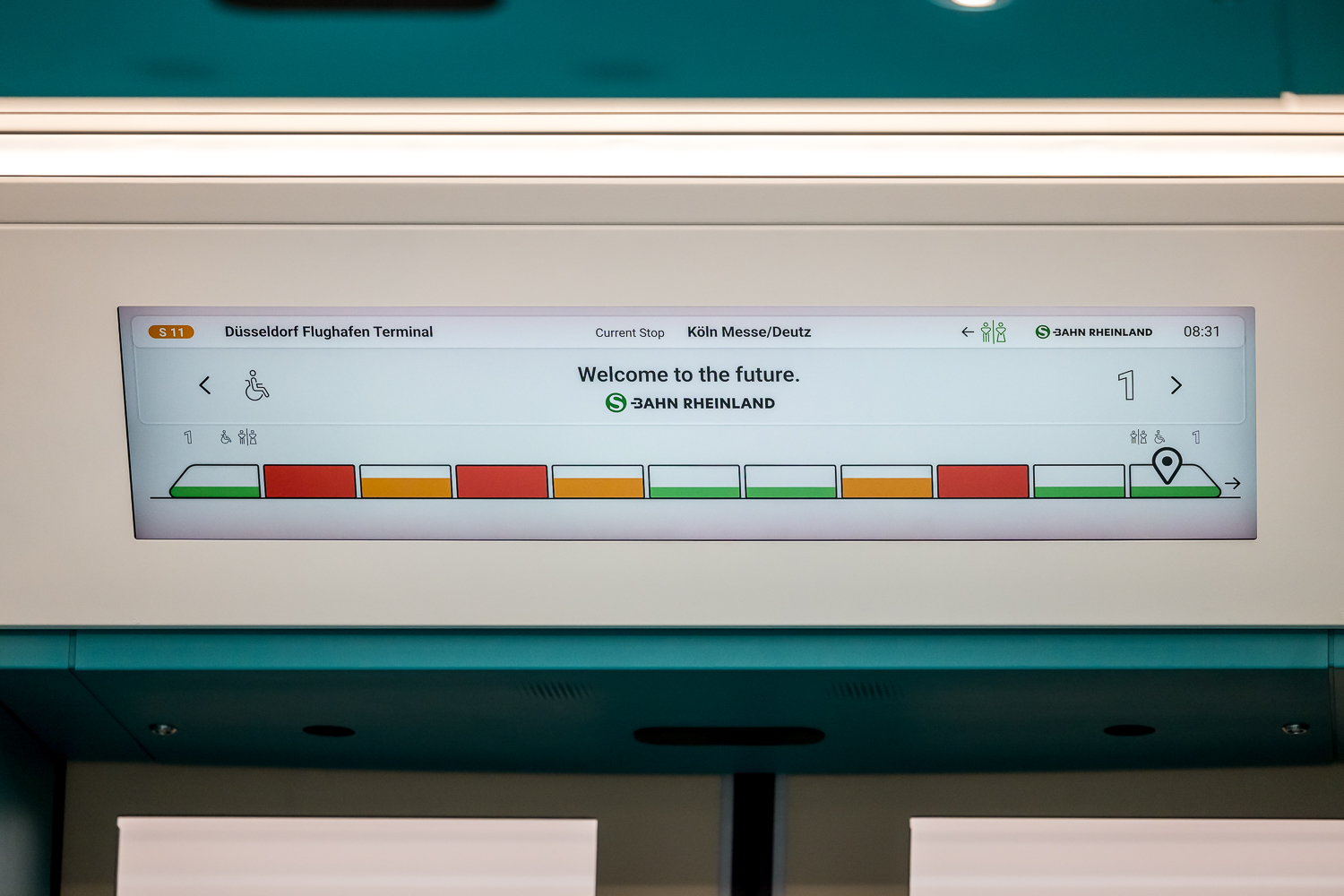
With the “design freeze” and the unveiling of the walk-through model of the Rhineland S-Bahn, important milestones have been reached on the path to the next generation of regional rail transit. The new S-Bahn fleet combines modern design, a high level of comfort, comprehensive accessibility, and innovative passenger information. At the same time, the project exemplifies close collaboration between public authorities, industry, and policymakers, as well as long-term investments in an attractive, efficient, and sustainable mobility system in the Rhineland.
The Rhineland S-Bahn is taking shape
With the finalization of the train design, the project has reached a key interim milestone by the end of 2025. Representatives from go.Rheinland, the vehicle manufacturer Alstom, and the Rhine-Ruhr Transport Association (VRR)—as junior partners in this mega-contract—have jointly finalized the design features of the future vehicle fleet in collaboration with design experts from Neomind. With the so-called “design freeze,” the vehicles’ interior and exterior styling, as well as the color and material concepts, were finalized. The project partners have thus laid the groundwork for the further engineering and subsequent production of the new vehicle fleet.

“The goal was to develop vehicles for metropolitan area transit that optimally combine comfort, accessibility, modern passenger information, and efficient passenger flow. All areas of use were taken into account—from boarding zones to multipurpose areas for bicycles, strollers, and wheelchairs, all the way to seating areas and comfortable standing spaces.”
In terms of exterior design, special attention was paid to developing a distinct identity for the new Rhineland S-Bahn. The exterior color “Rheinsand” created a distinctive design with a clear regional connection. Extensive testing under various conditions ensured a high-quality color appearance and strong brand recognition. The design is complemented by a continuous LED light strip along the side of the train for quick line identification.
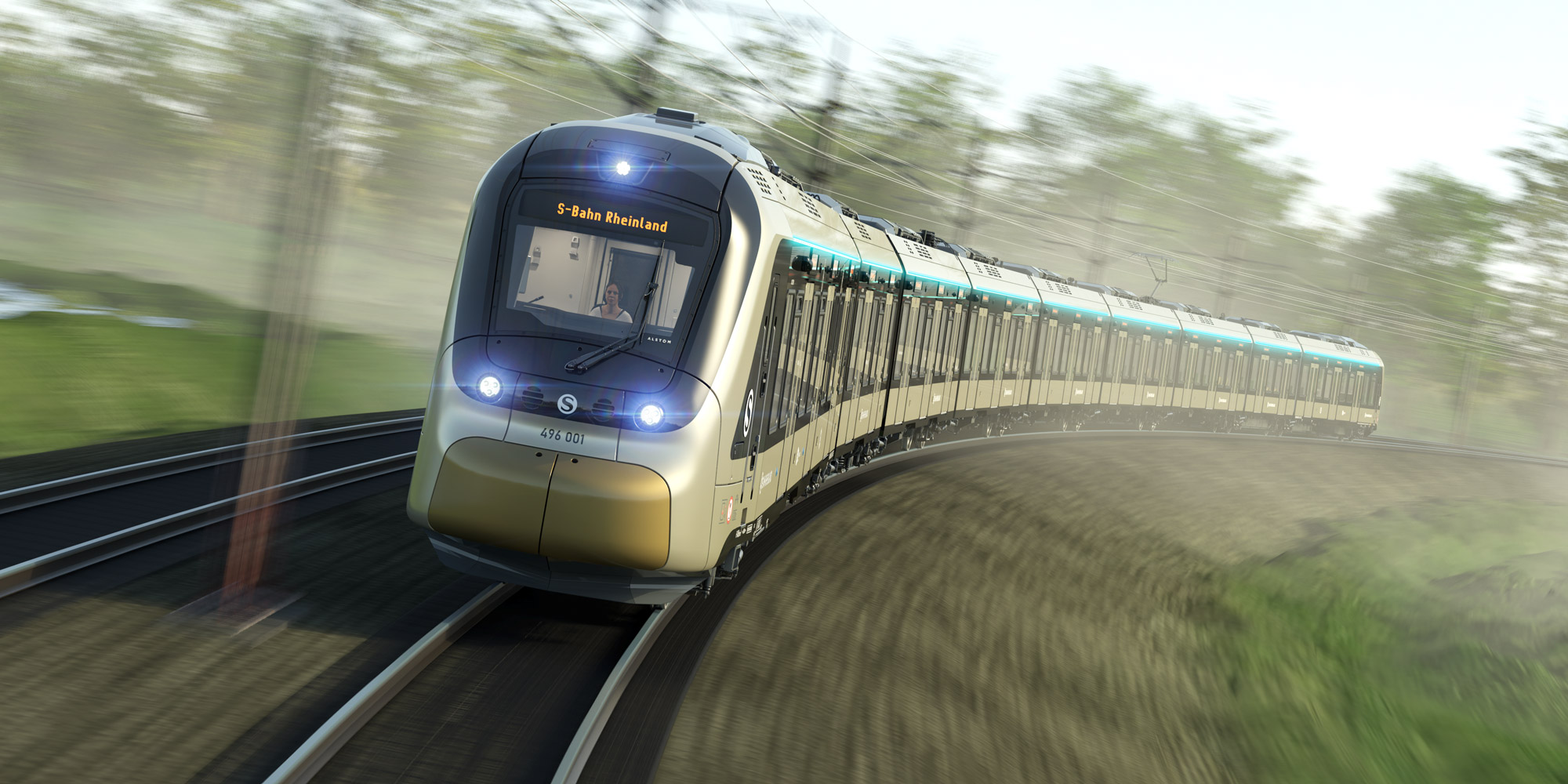 © ALSTOM SA 2025. Advanced & Creative Design | Adessia TM
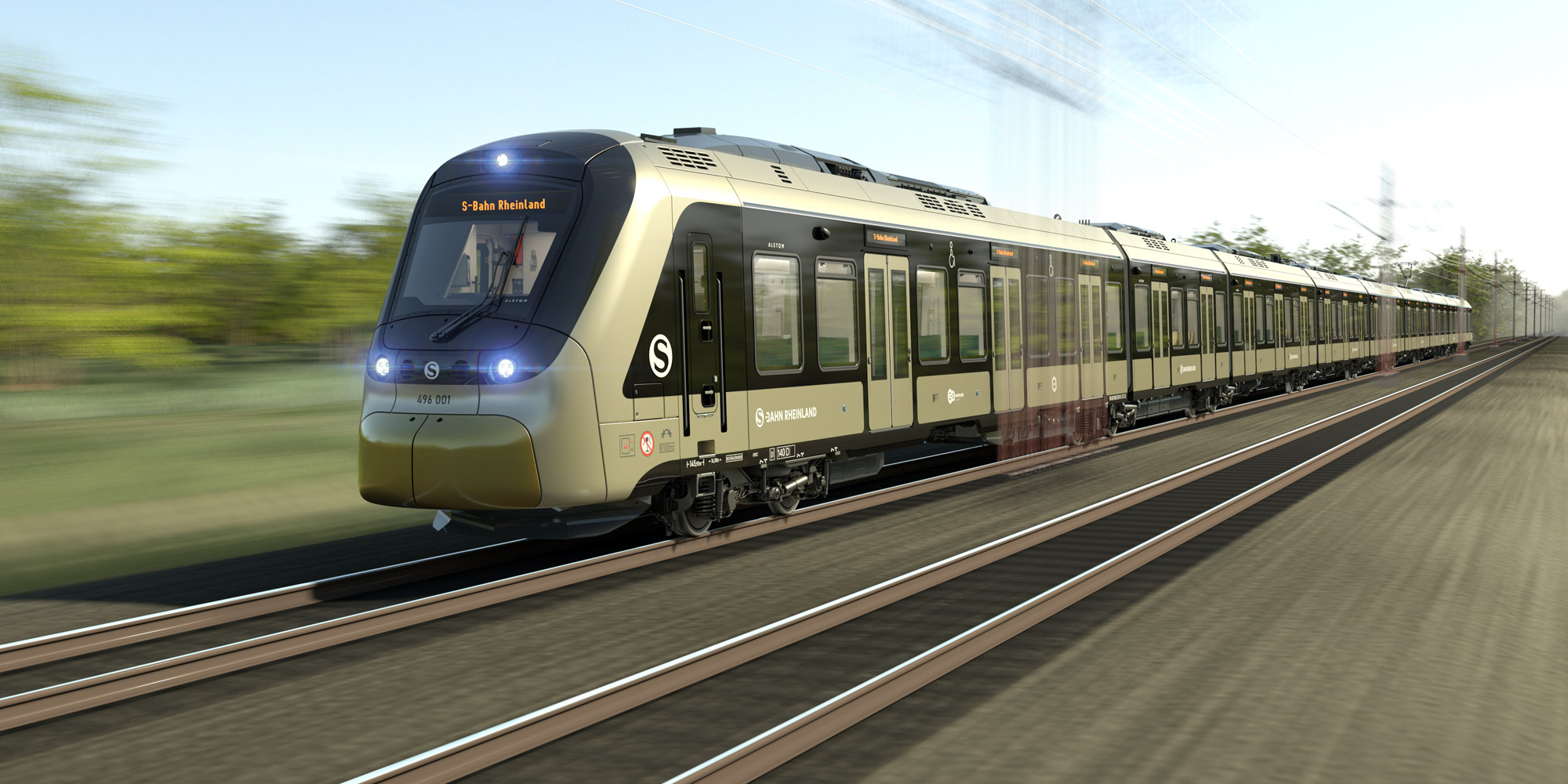 © ALSTOM SA 2025. Advanced & Creative Design | Adessia TM
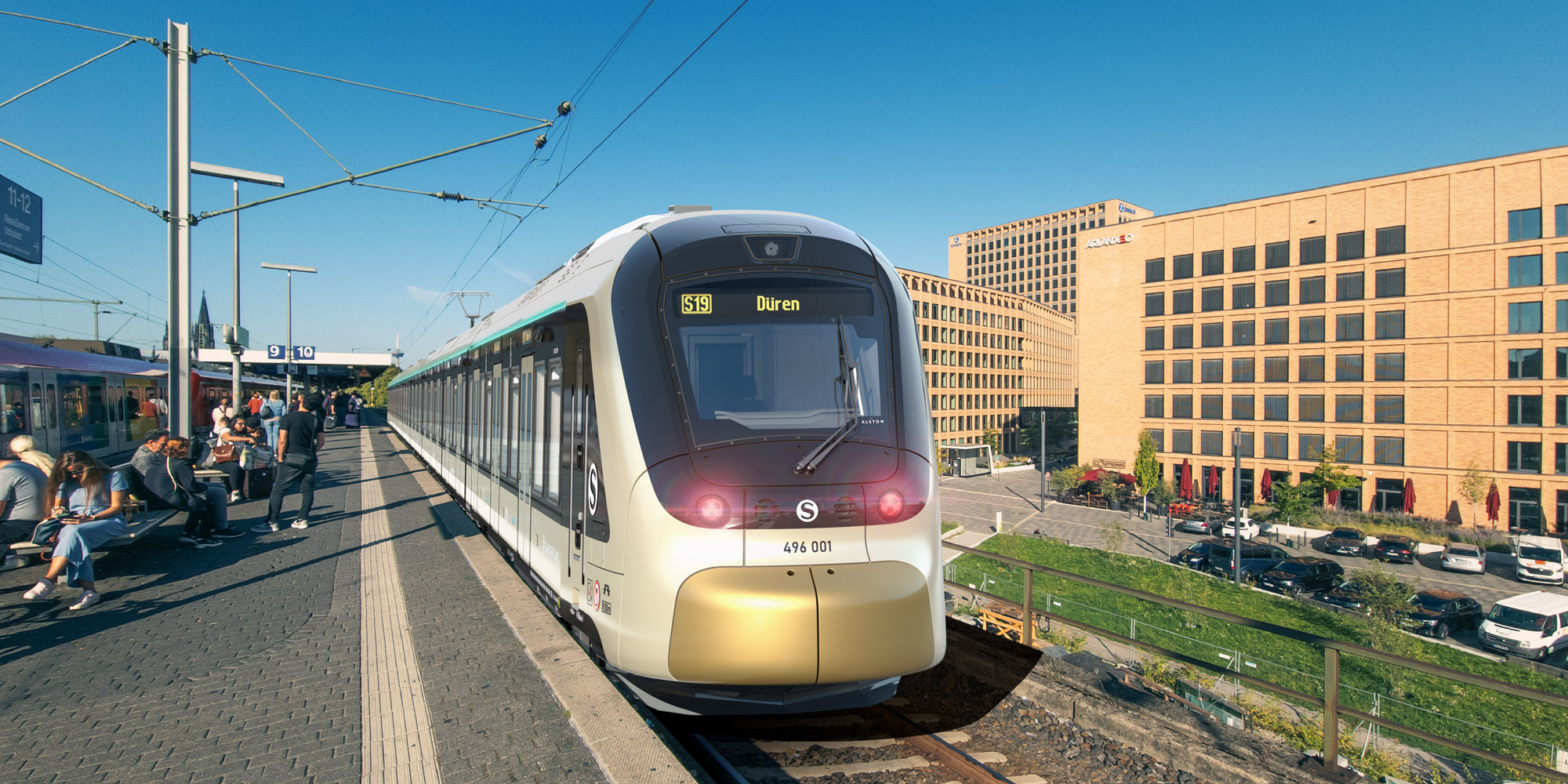 © ALSTOM SA 2025. Advanced & Creative Design | Adessia TM
 © ALSTOM SA 2025. Advanced & Creative Design | Adessia TM
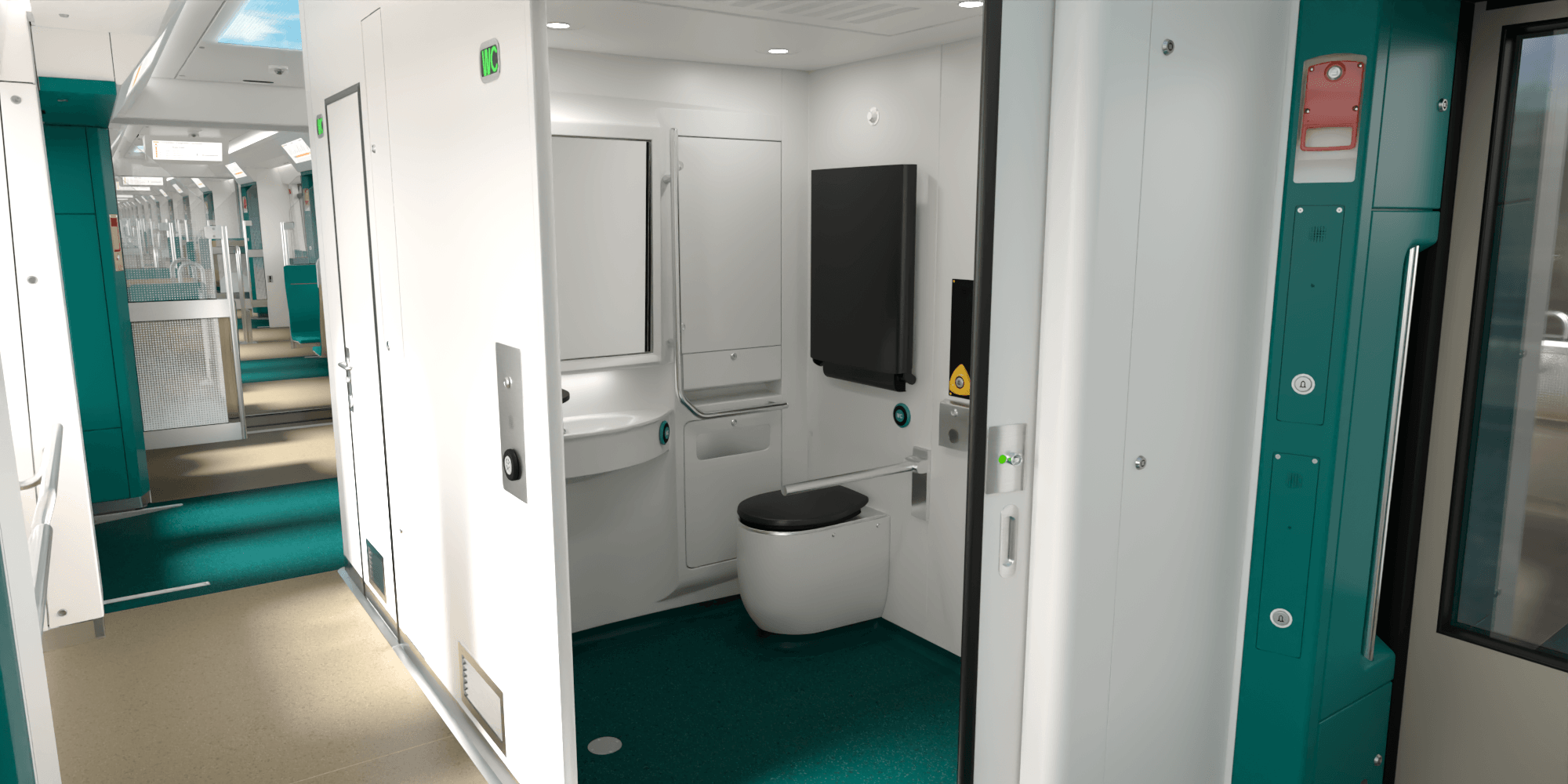
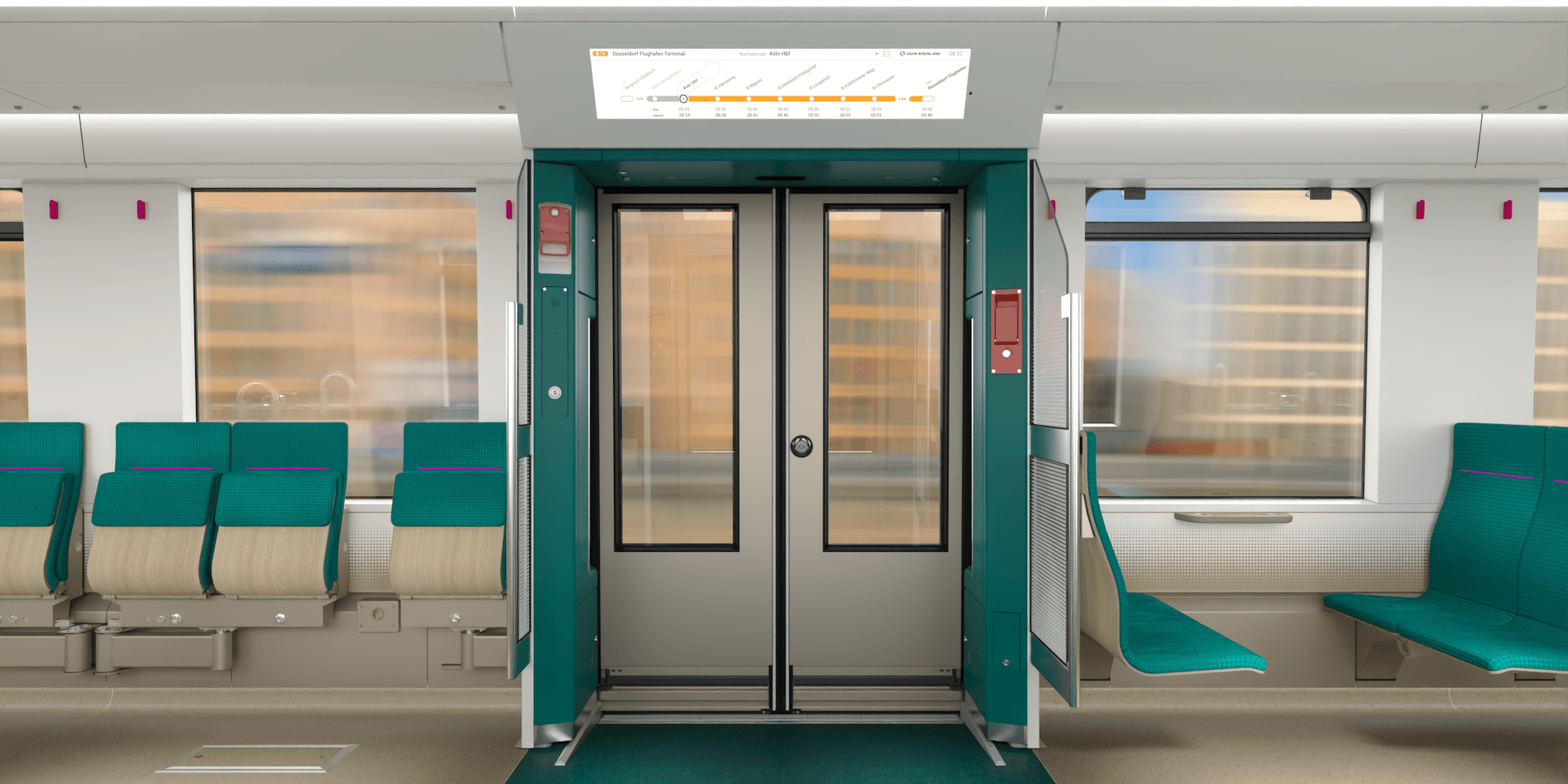
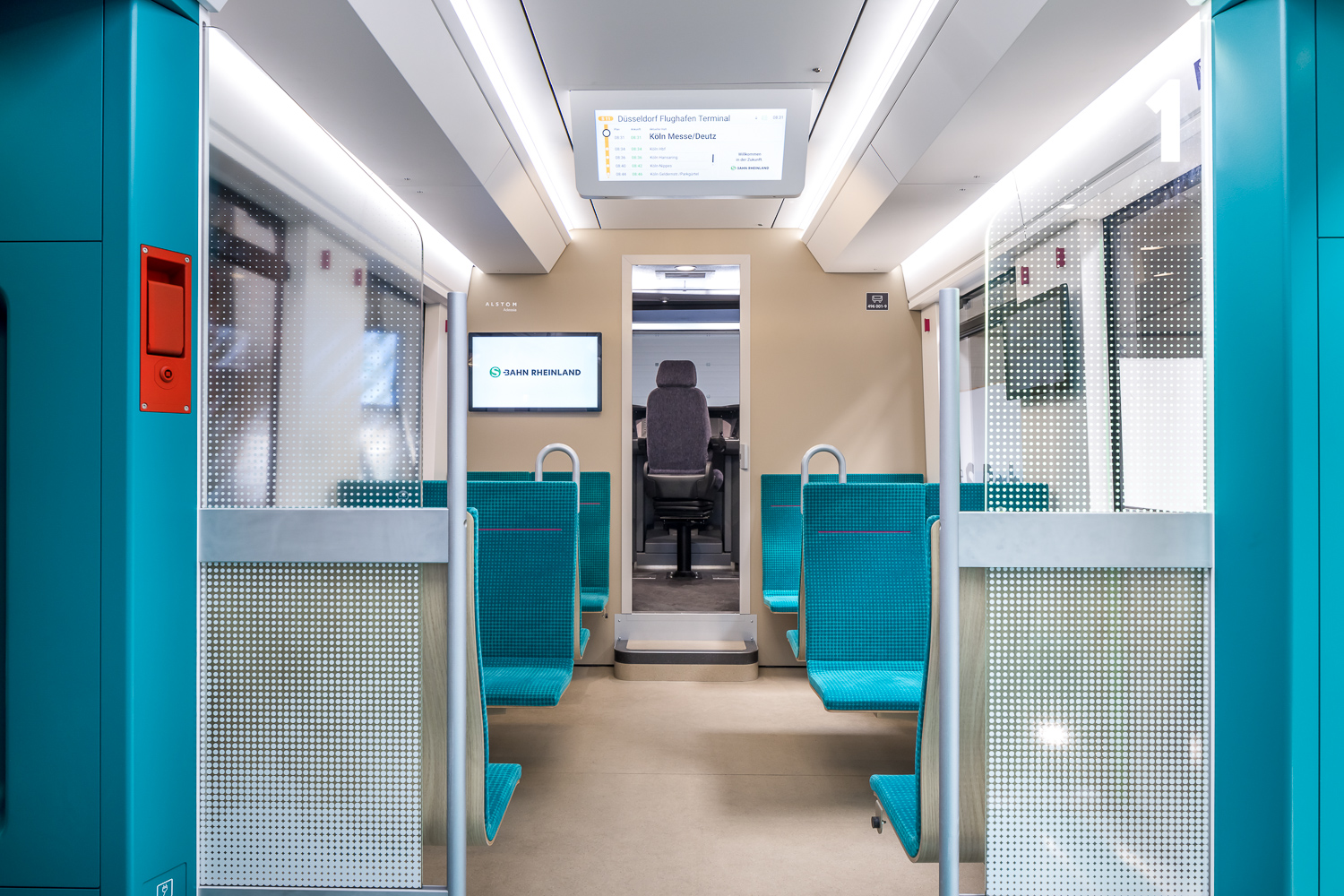
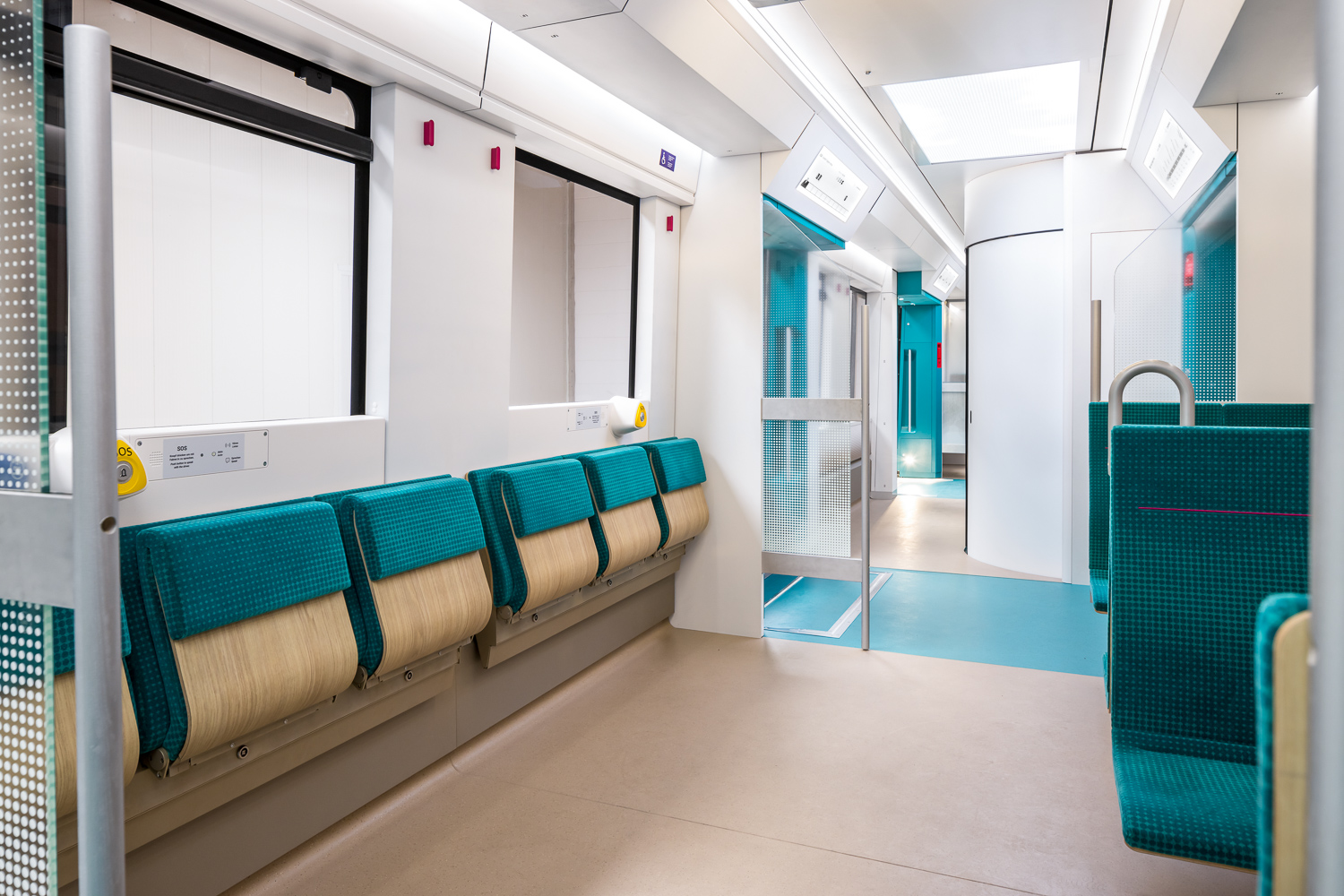
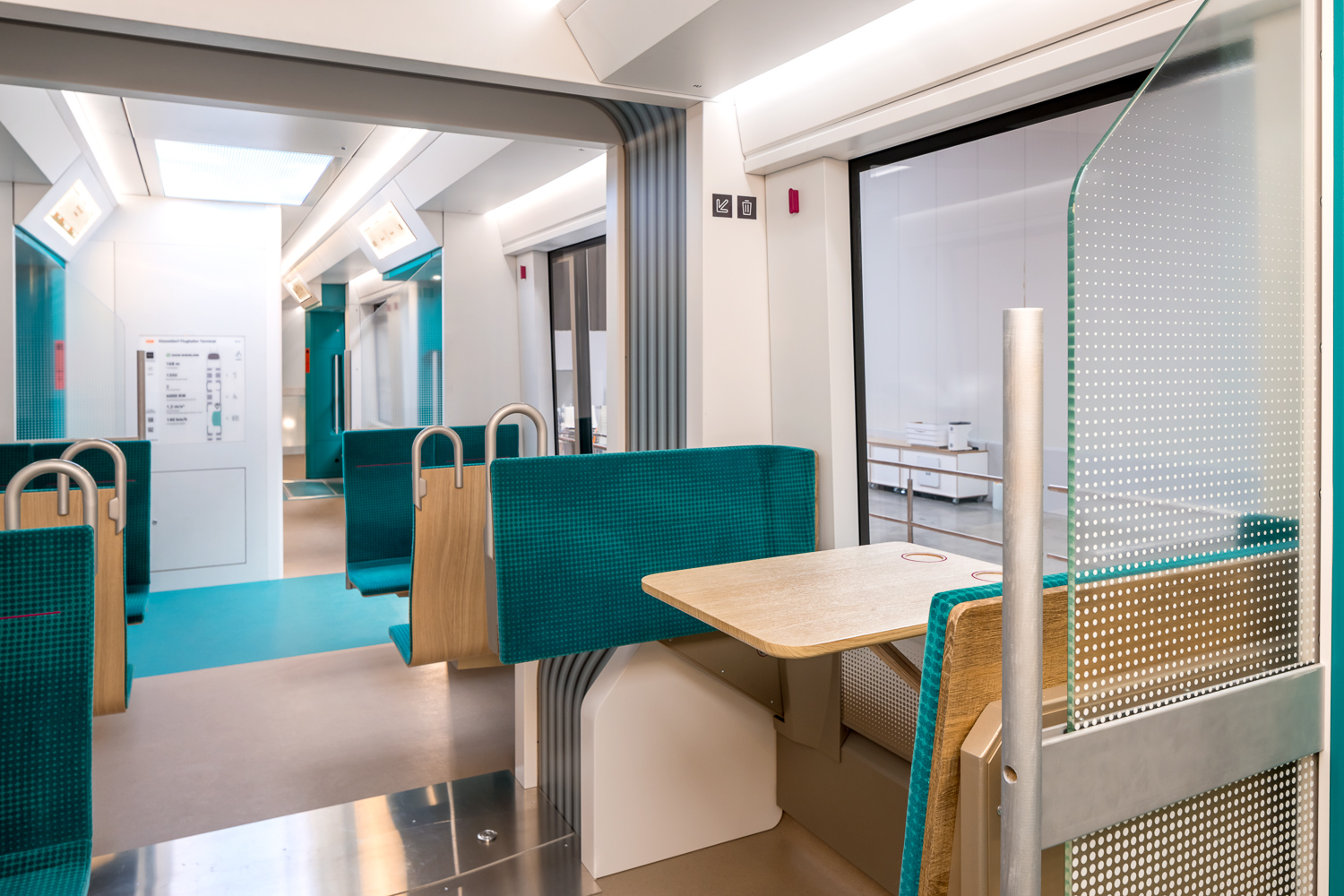
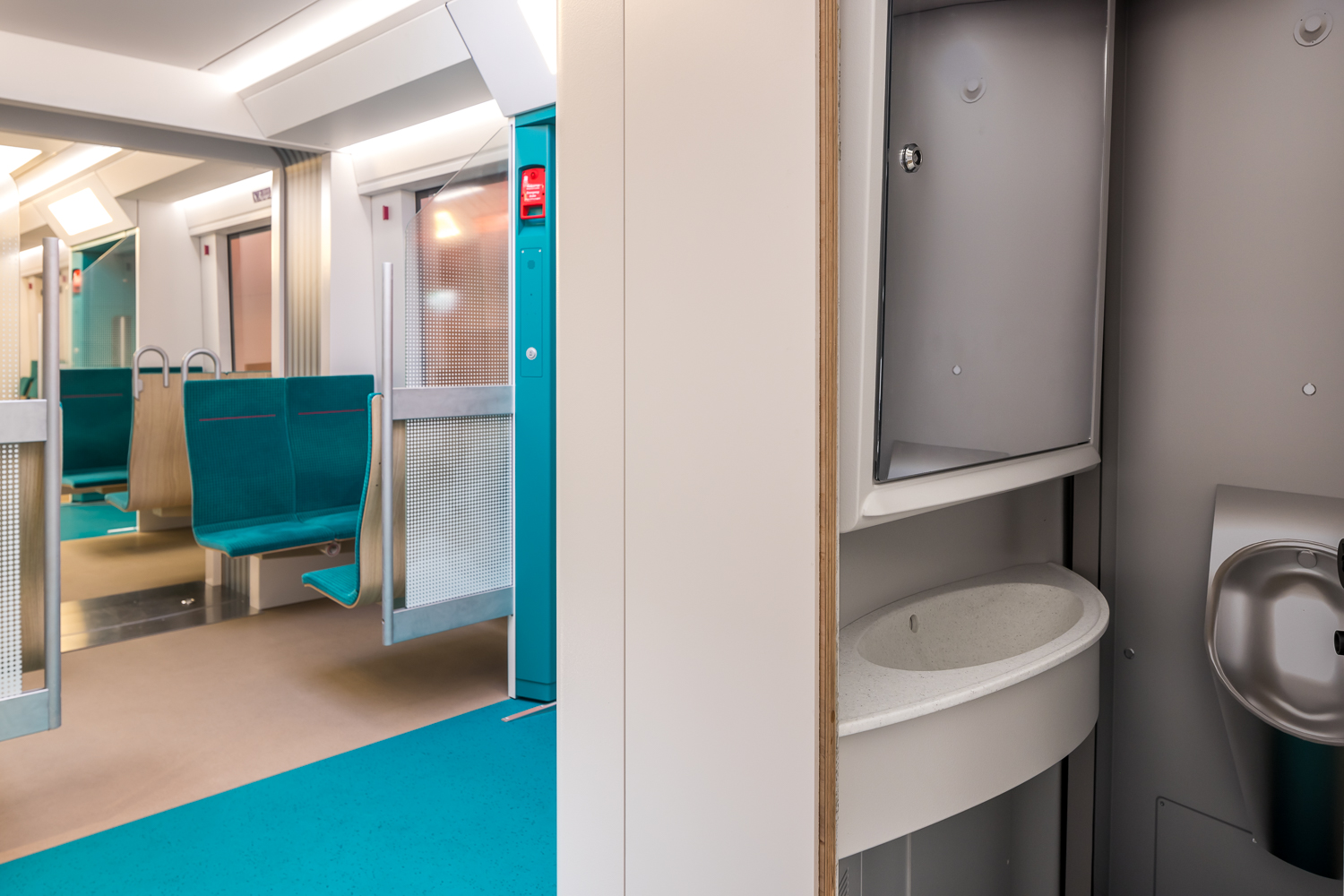
The interior, too, was consistently designed with the passengers’ needs in mind. In various workshops, seating concepts, fabrics, and upholstery were evaluated for comfort and functionality. The selected seats offer a high level of comfort for a variety of usage requirements. Materials, flooring, and colors also create a modern and inviting atmosphere.
 © ALSTOM SA 2025. Advanced & Creative Design | Adessia TM
 © ALSTOM SA 2025. Advanced & Creative Design | Adessia TM
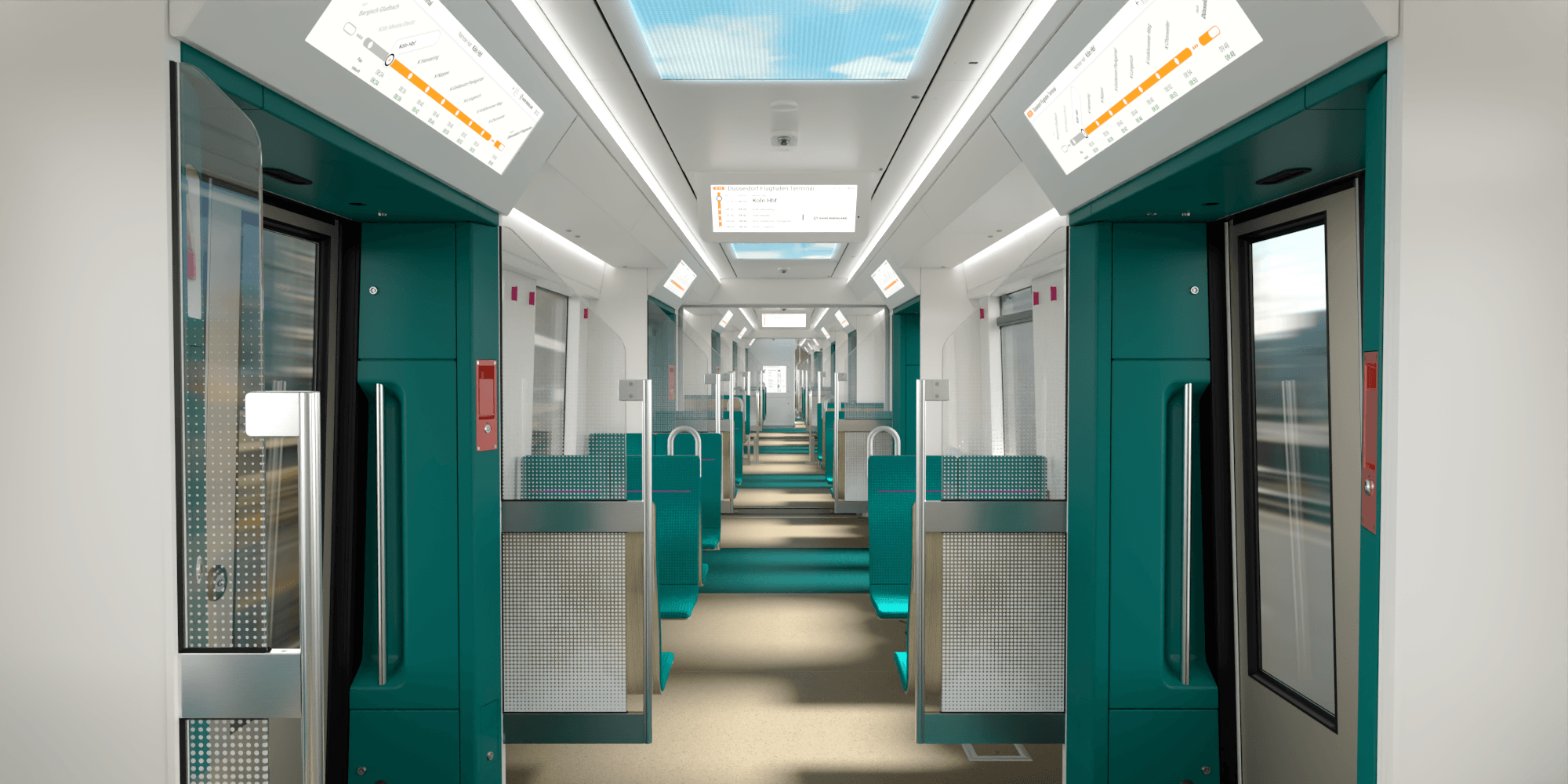 © ALSTOM SA 2025. Advanced & Creative Design | Adessia TM
 © ALSTOM SA 2025. Advanced & Creative Design | Adessia TM
 © ALSTOM SA 2025. Advanced & Creative Design | Adessia TM
Special attention was also paid to accessibility. For example, specialized flooring and color schemes highlight the entry areas. Controls, emergency equipment, and intercoms have been functionally integrated. In addition, the first and last two doors on each end feature a gap filler that facilitates comfortable and safe boarding and alighting at 96-centimeter-high platform edges. The vehicle’s interior is also completely level, and the aisle width is no less than 800 millimeters at any point. The interior design aids in orientation and ensures comfortable use for passengers with limited mobility, while meeting all applicable requirements.
The result of the “design freeze” was captured in a 1:20 scale model of the new S-Bahn for the trade show. It depicts all key design elements and conveys a realistic impression of the future vehicle.
The Stage Is Set for the First Full-Scale Model of the Rhineland S-Bahn
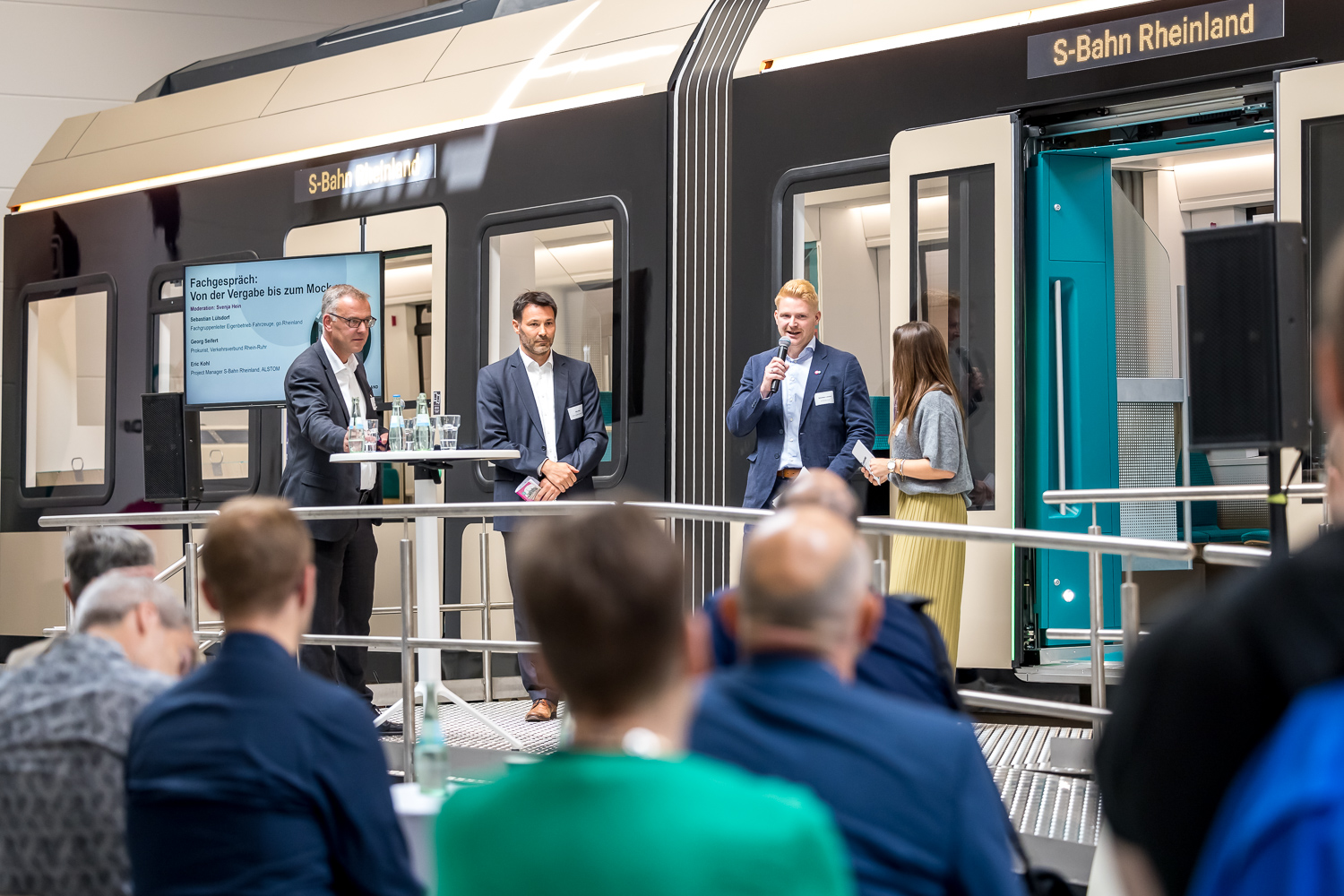
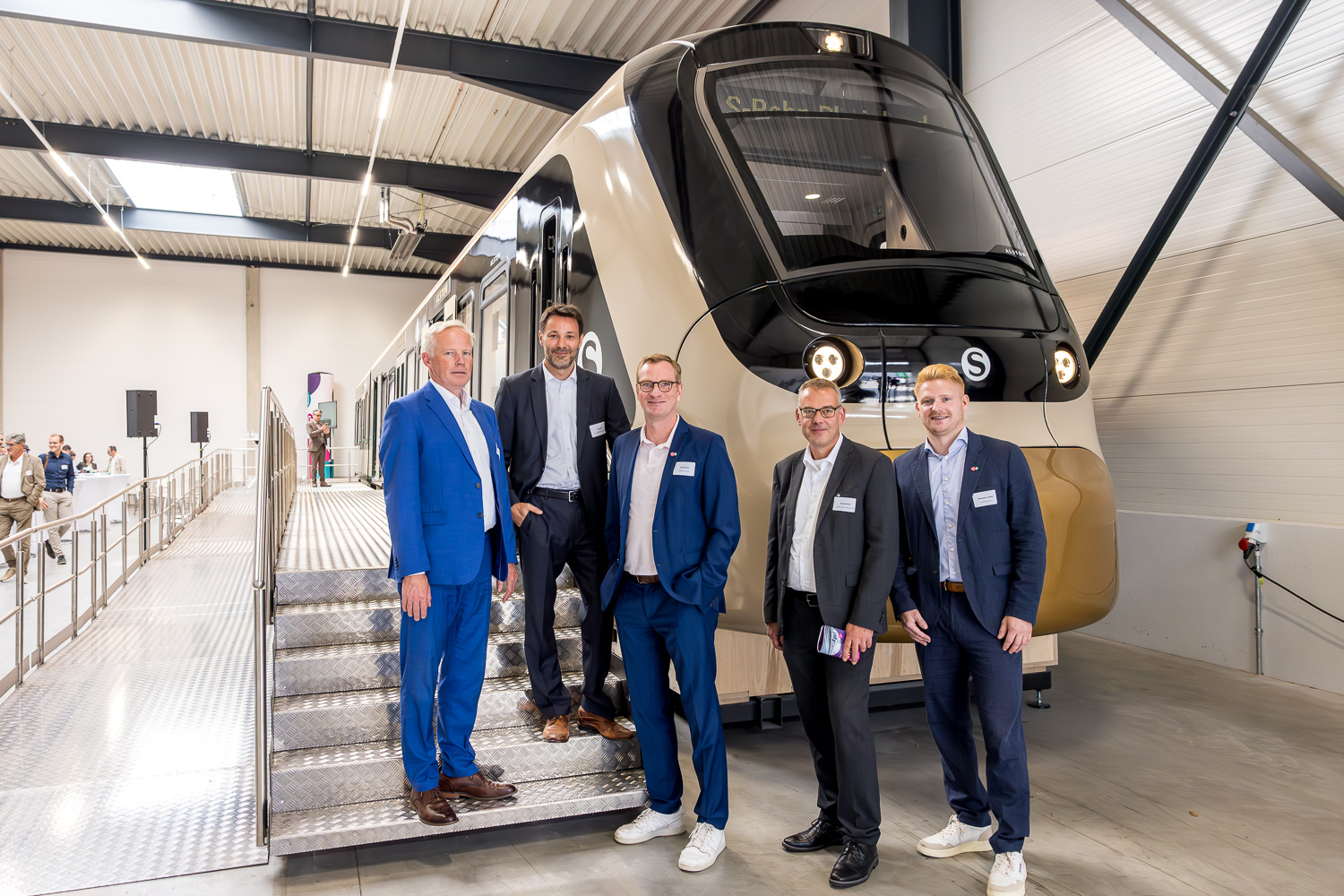
A particular highlight in early September 2026 was the presentation of the walk-through, 1:1-scale model of the new Rhineland S-Bahn. The model, approximately 30 meters long, includes an end car, a gangway, and part of a middle car, and provides the first realistic impression of the future train. The driver’s cab is also fully represented.
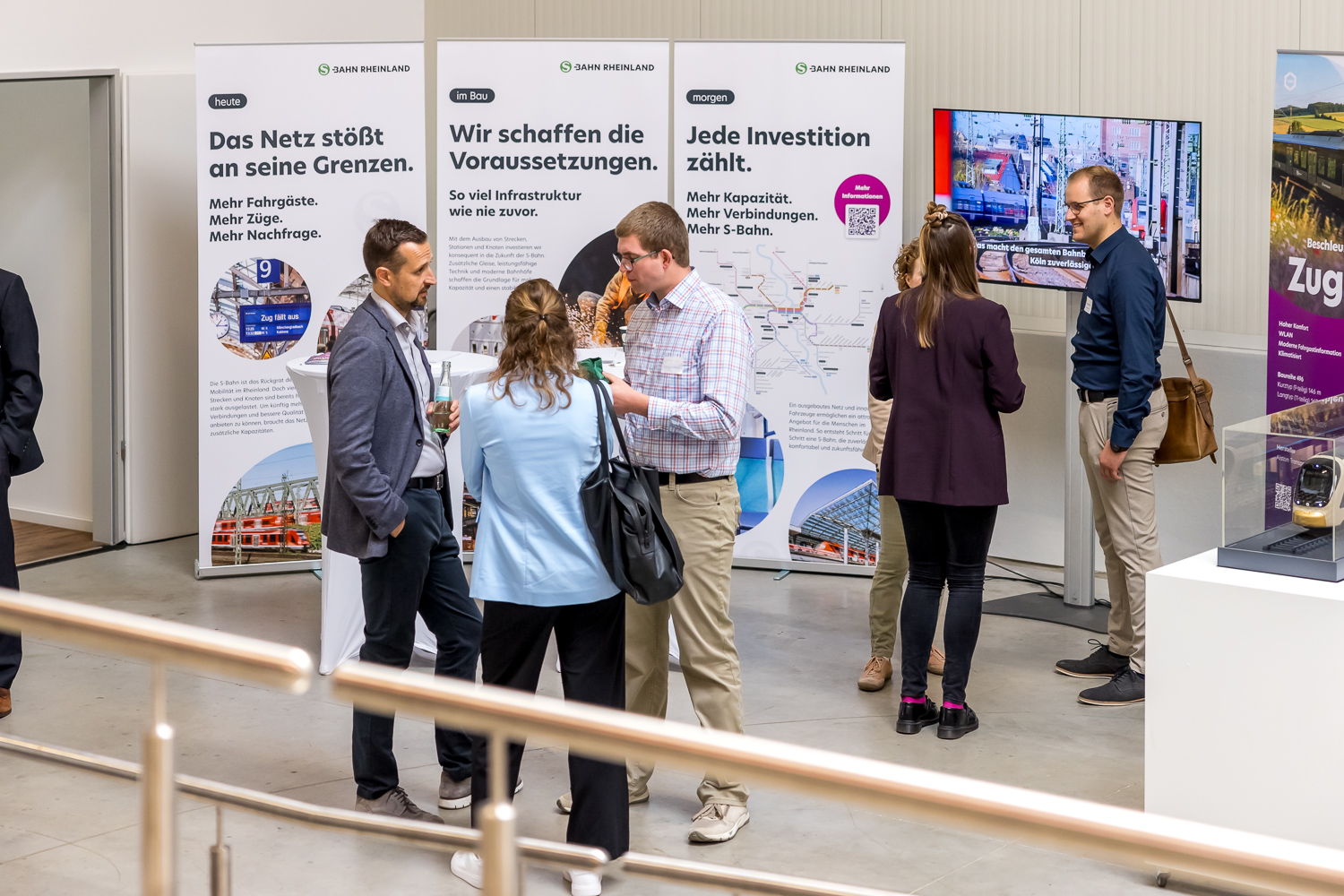
During an exclusive presentation in Kerpen, representatives from politics, government, and the transportation industry, as well as other partners, had the opportunity to get an up-close look at the new generation of trains. In addition to insights into the project’s development history, the event focused on guided tours of the model and discussions with project managers from go.Rheinland, VRR, and Alstom.
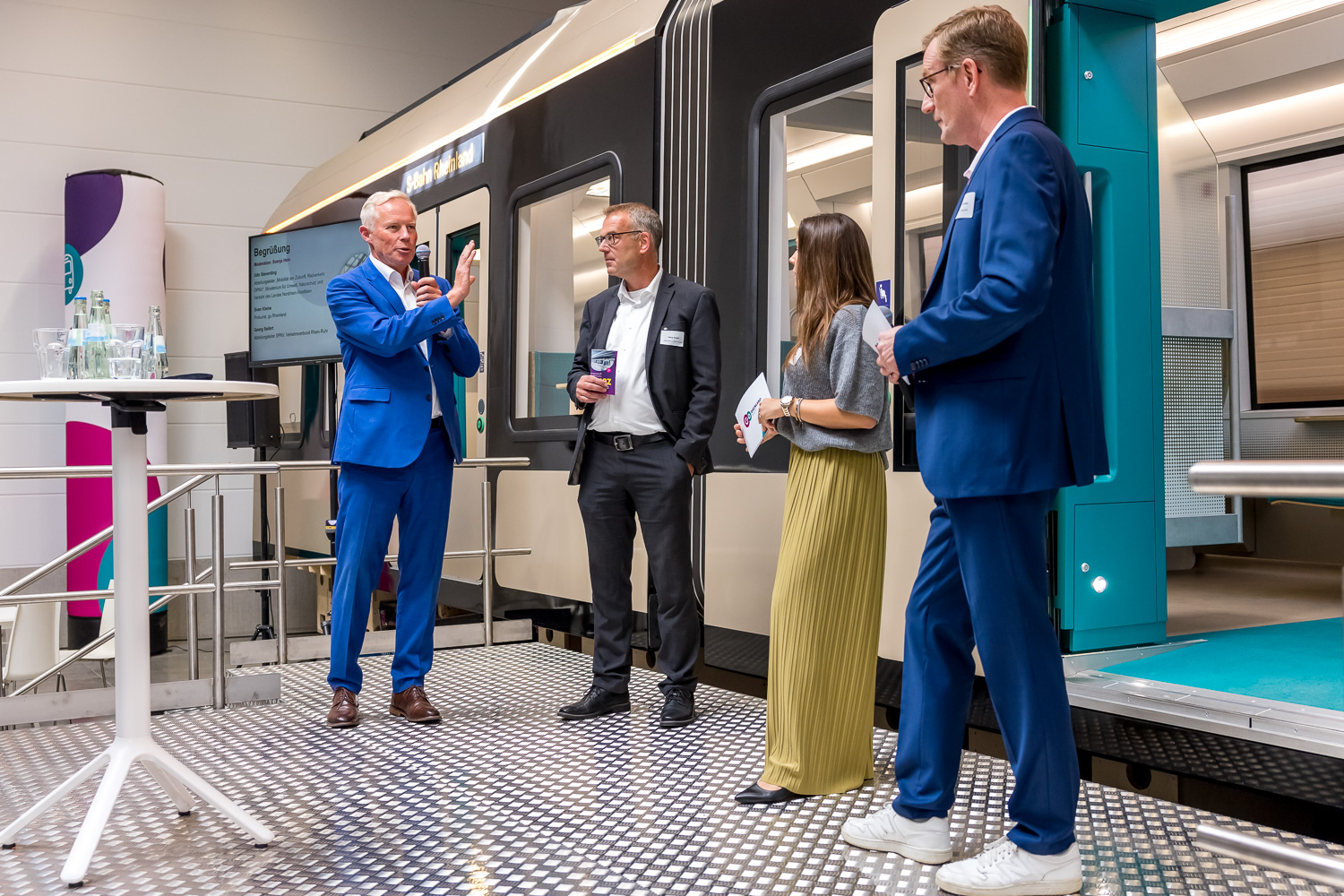
“The fact that the public unveiling of this model was deliberately held in the Rhineland sends a strong signal. It highlights how closely public authorities, industry, and policymakers in North Rhine-Westphalia are working together to develop local rail passenger transport in a way that ensures its long-term viability. At the same time, it underscores our shared commitment to actively driving the mobility transition forward with modern, attractive, and sustainable vehicles.”
After the event, the model was transported to InnoTrans, the leading international trade fair in Berlin, to be presented to an international audience of industry professionals as a highlight of the fair. Upon its return from the German capital, it will now be on display in Kerpen for three years, accessible to various audiences.