Overcoming Barriers, Improving Mobility
Europe Learns from One Another Through the CROSUSMOB Project

Cross-border mobility in Europe still frequently faces administrative, technical, or fare-related challenges. In the Interreg Europe project CROSUSMOB, six European regions are working to better understand these obstacles and jointly develop solutions. As the only German project partner, the Aachen Transport Authority (AVV) is contributing its many years of experience in cross-border public transit while also gaining new insights for the further development of mobility in the Meuse-Rhine Euroregion.
Working Together for Sustainable Mobility in European Border Regions
How can we make it easy and sustainable for people to travel across national borders? The European project CROSUSMOB (“Cross Border Sustainable Mobility”) is dedicated to addressing this question. Since April 2024, transportation authorities, public transport operators, and research institutions from Spain, Germany, Slovenia, Hungary, France, and the Netherlands have been working together on strategies for improved cross-border mobility. Funded by Interreg Europe, the project will run for four years and has a total budget of approximately 1.5 million euros. The AVV is the only German member of the international project consortium.
Sharing Knowledge, Learning from One Another
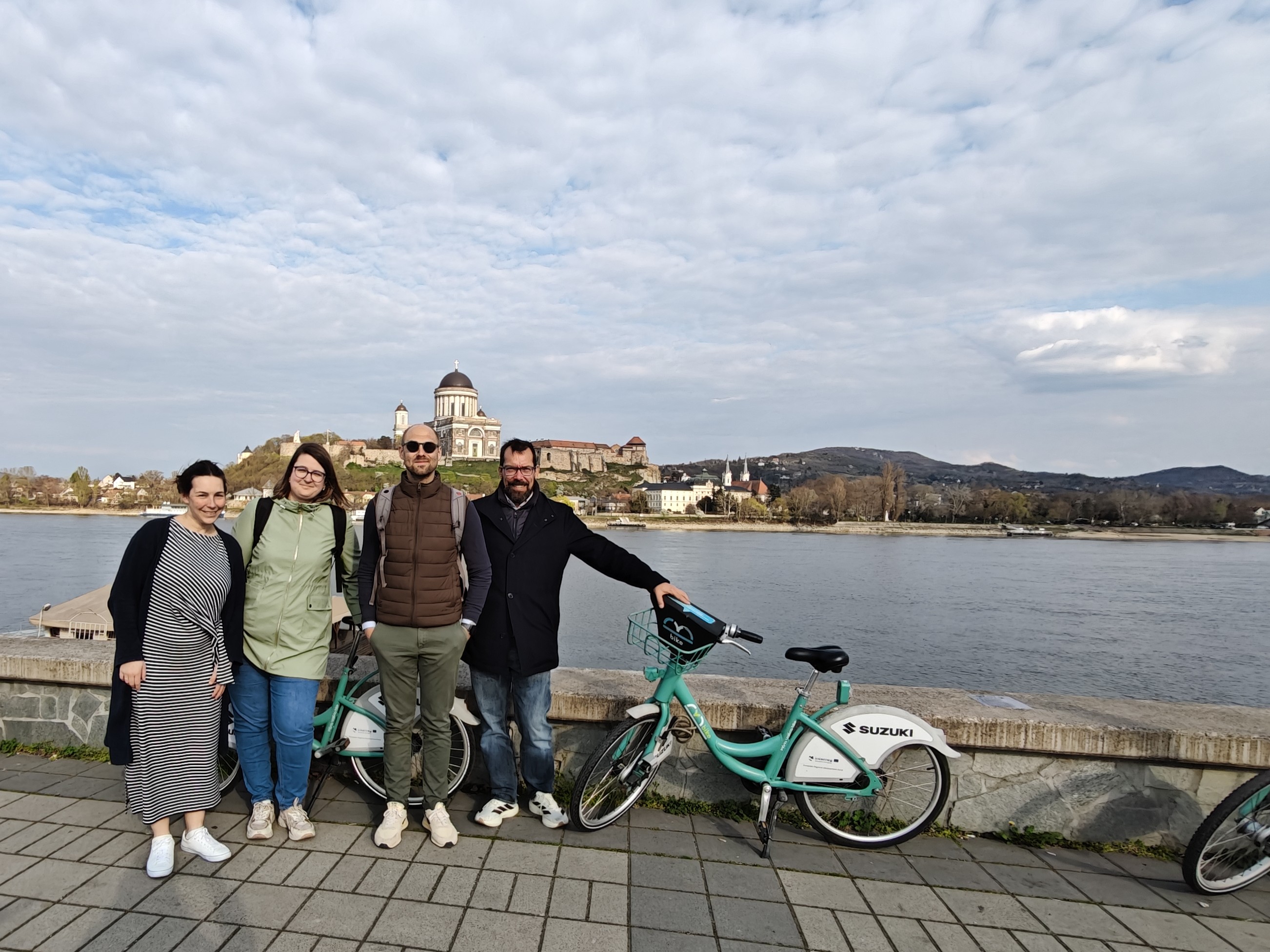
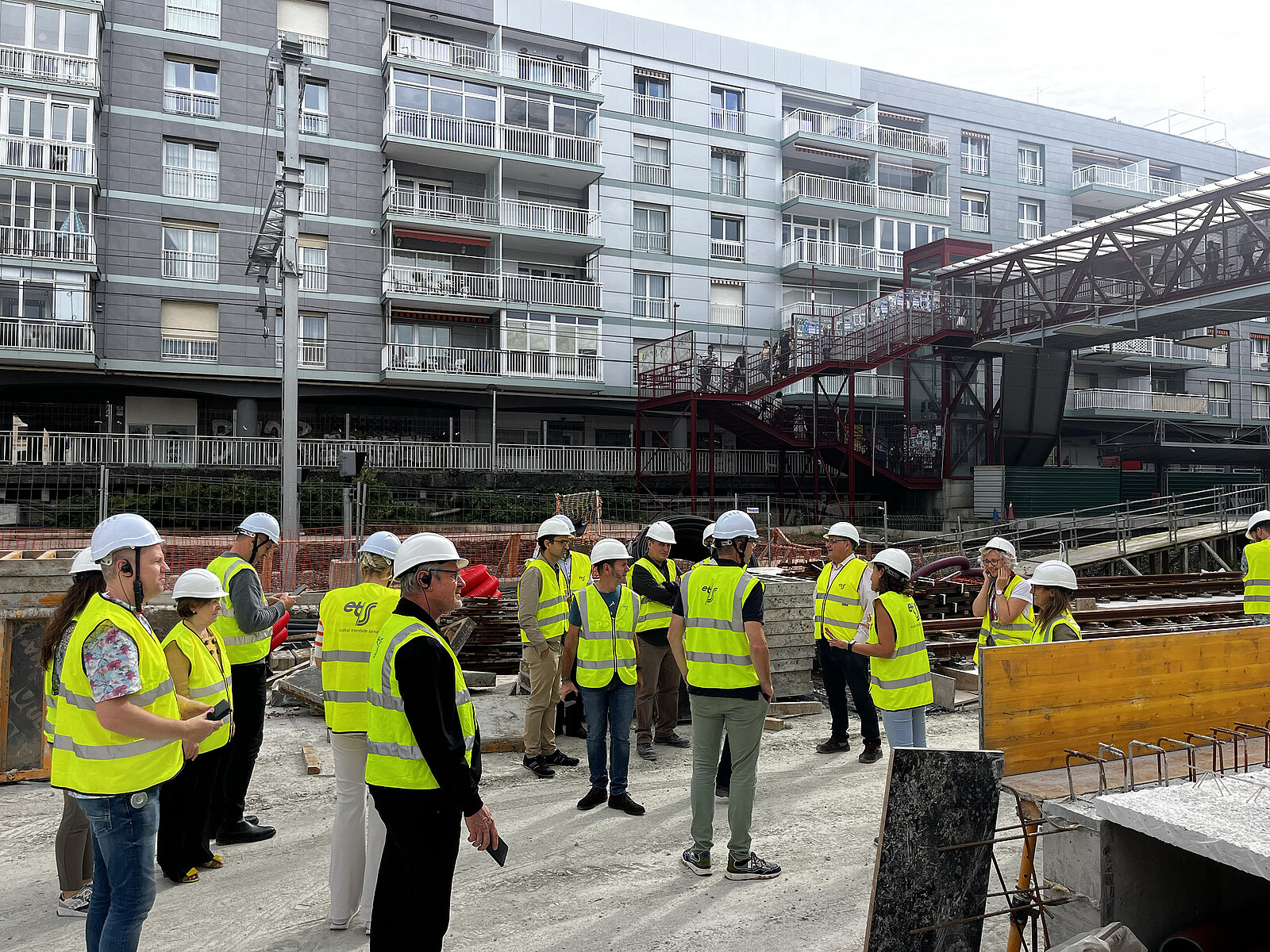
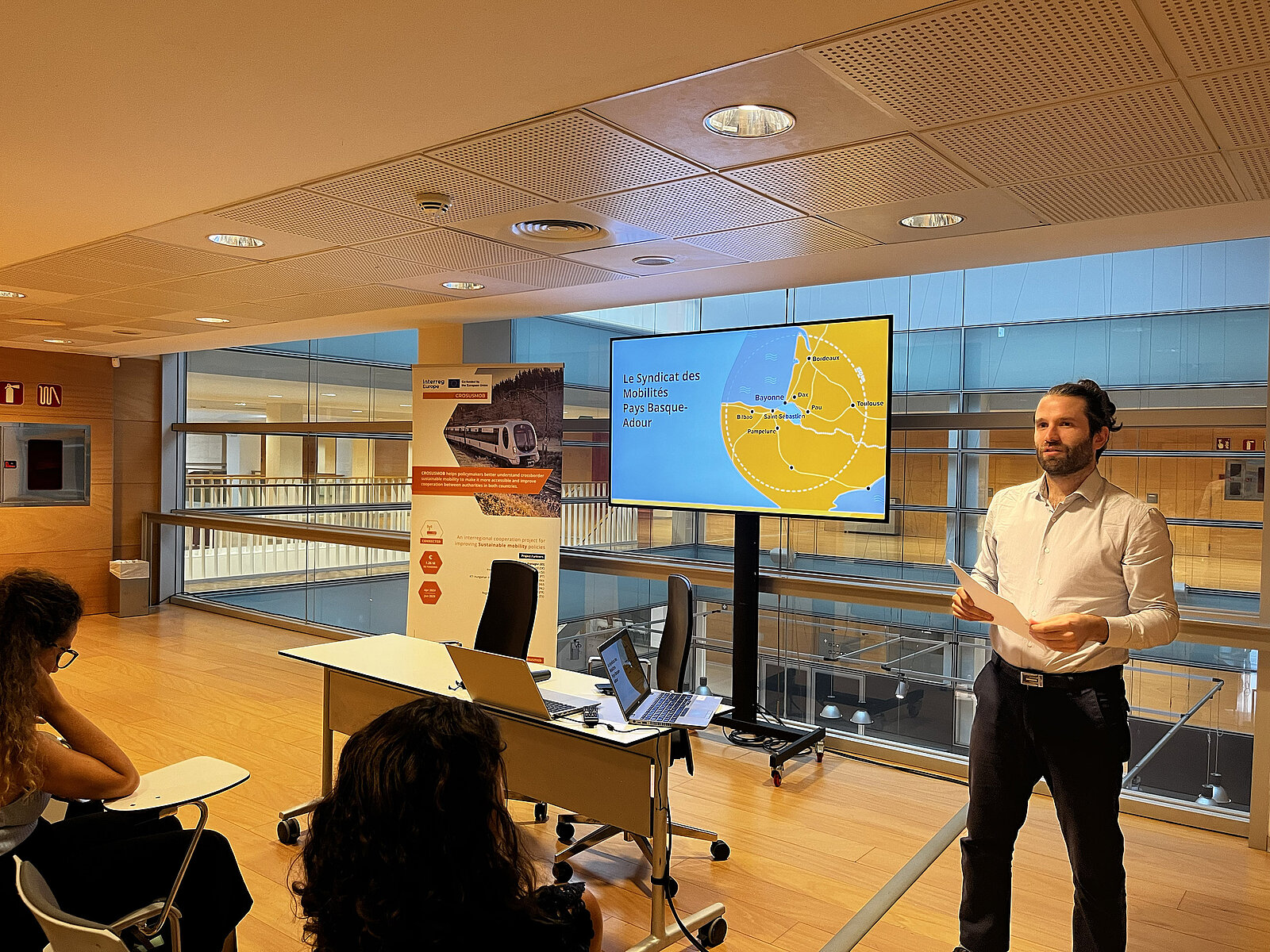
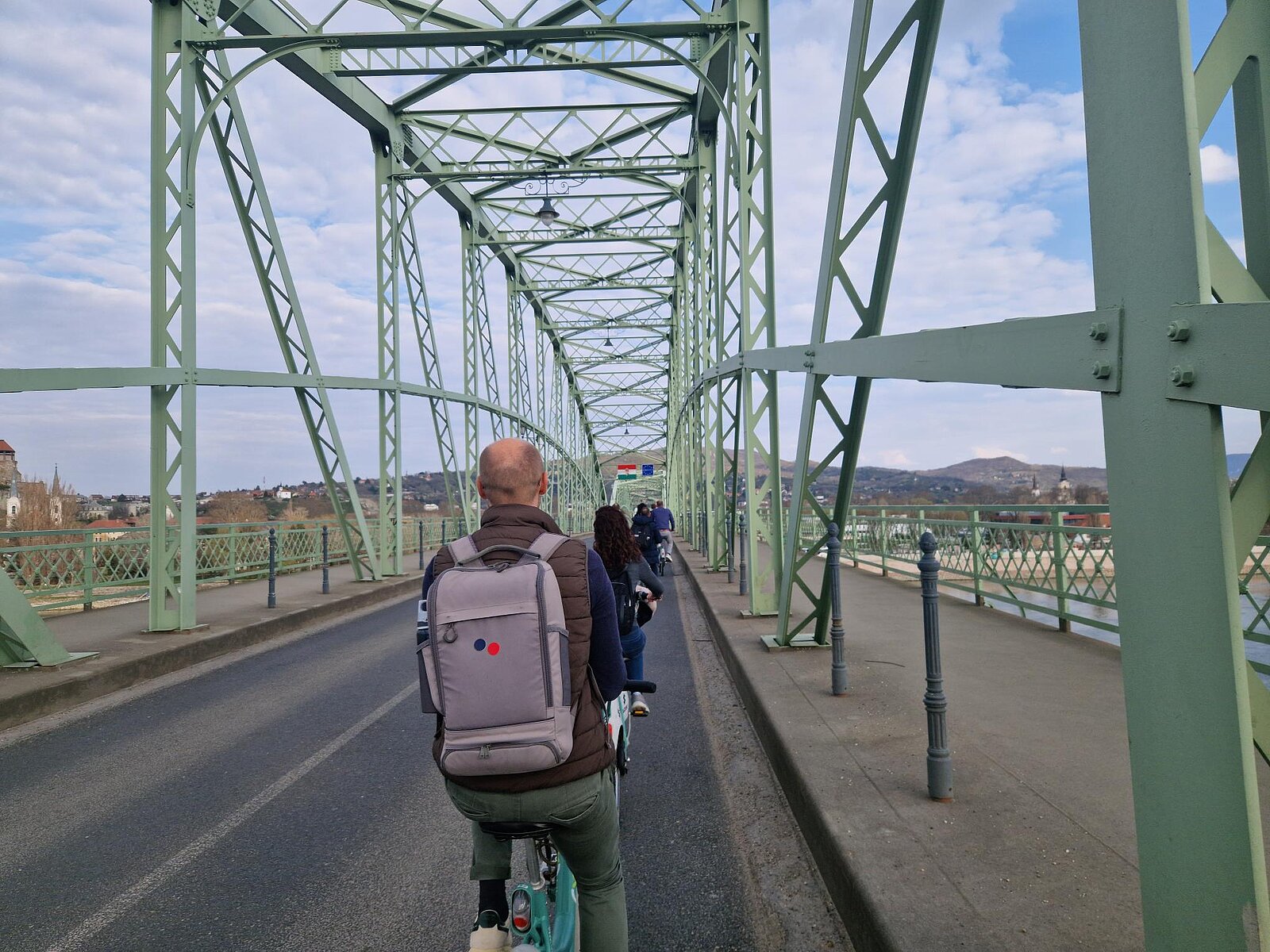
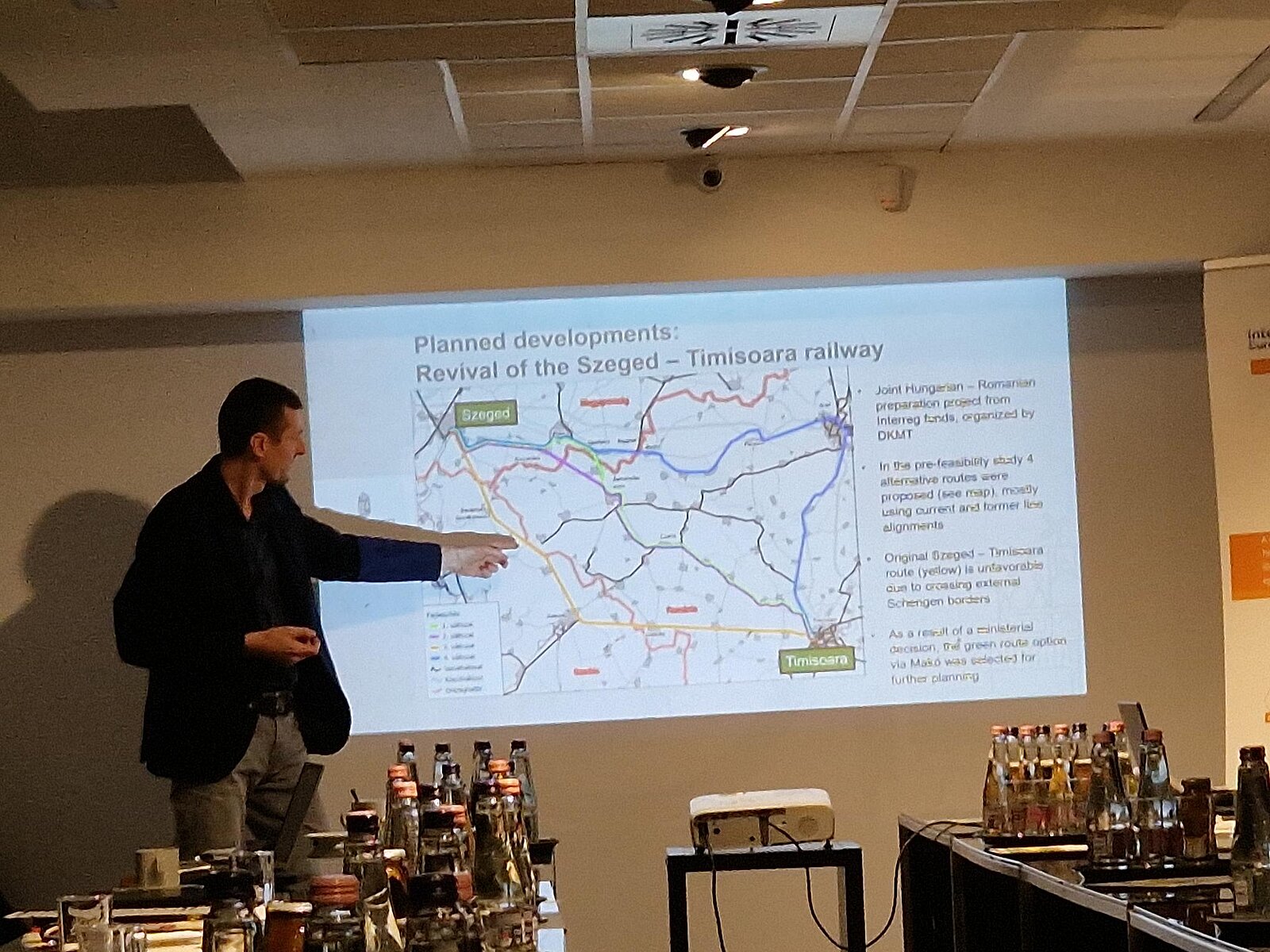
The project focuses on direct exchange between the partner regions. Through regular study visits, participants gain insights into successful projects, innovative mobility solutions, and different organizational frameworks. Topics discussed at previous meetings have included, among others, intermodal ticketing, cross-border schedule synchronization, cross-border rail connections, and the integration of different modes of transportation.
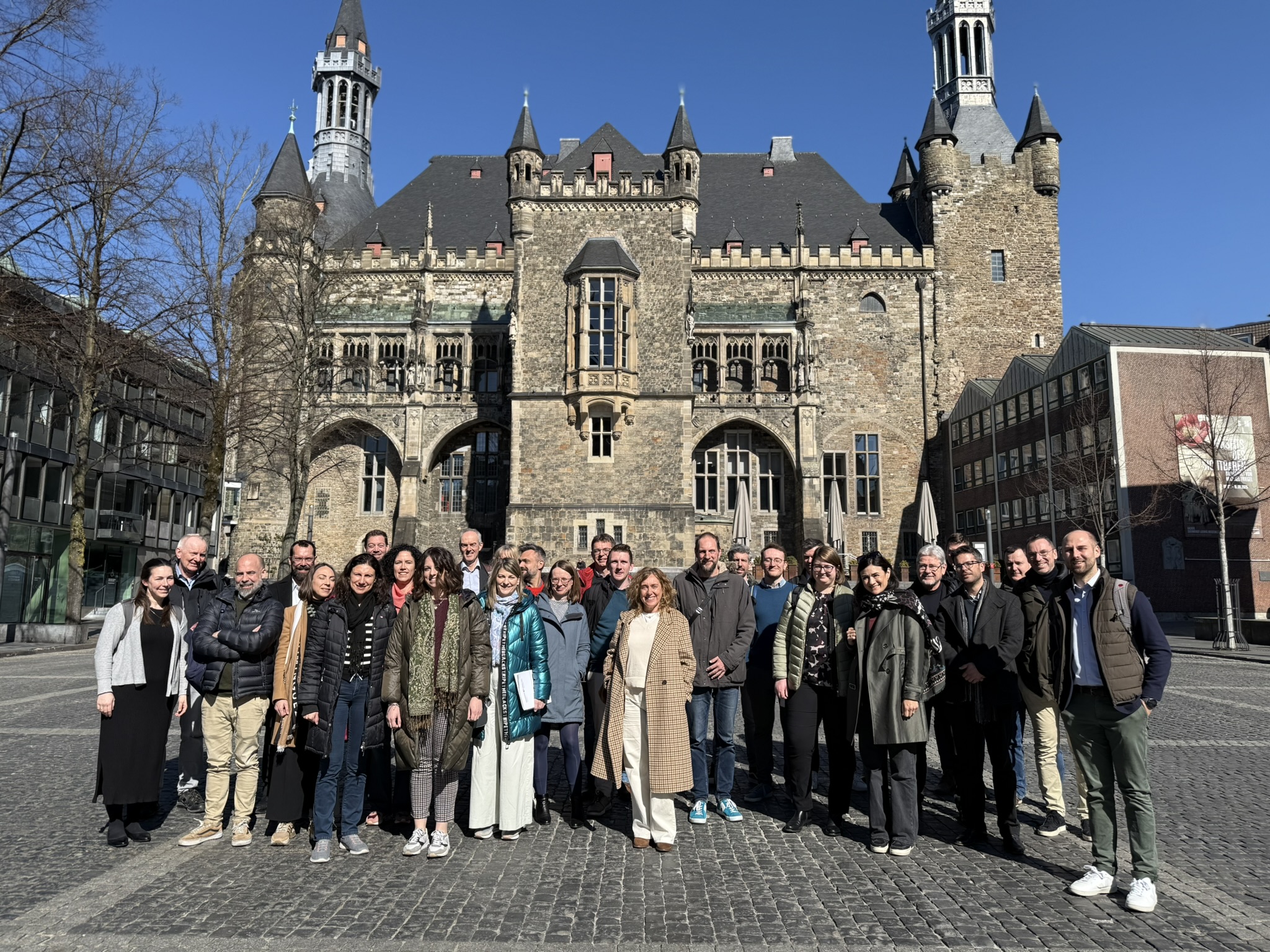
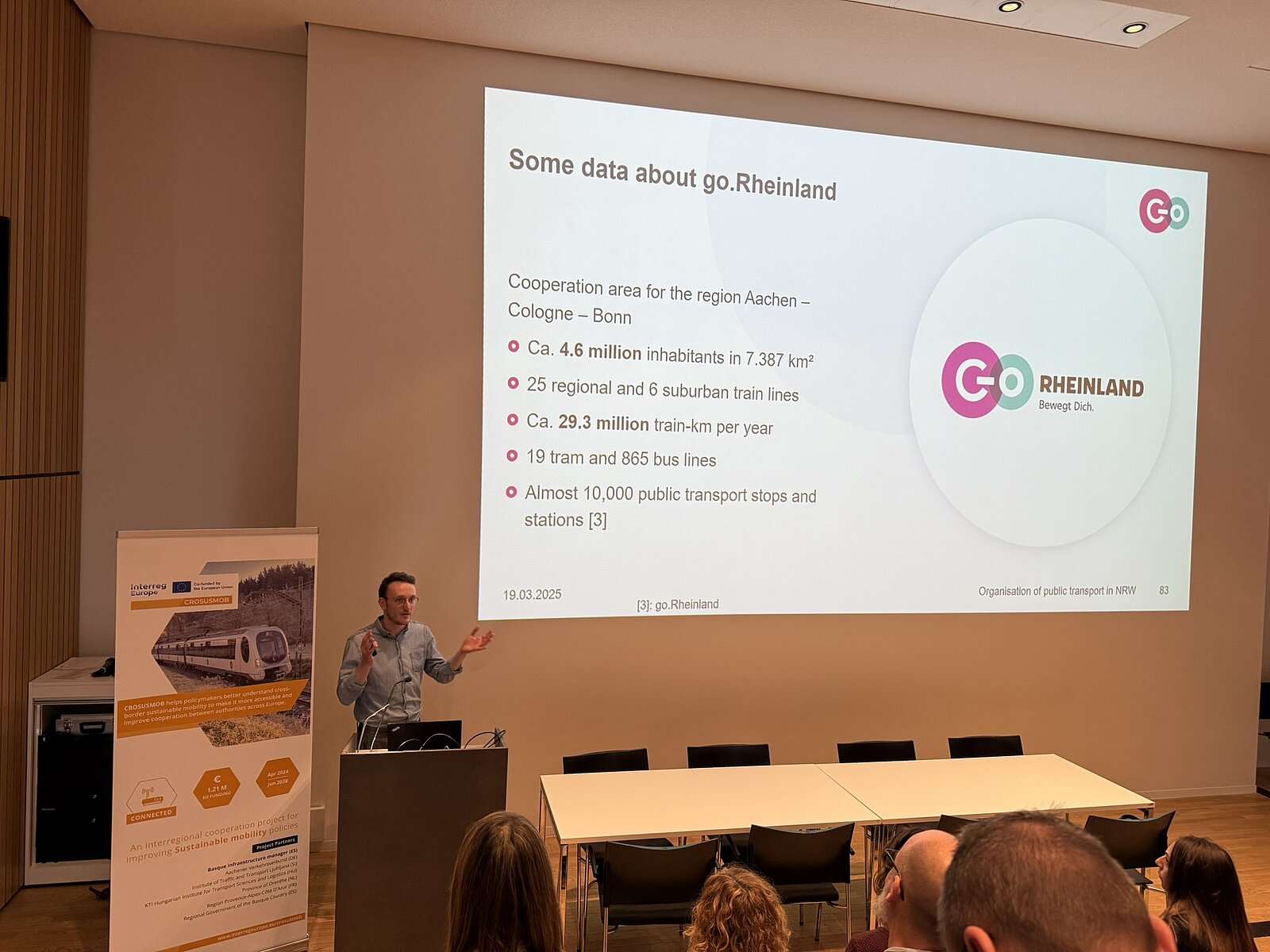
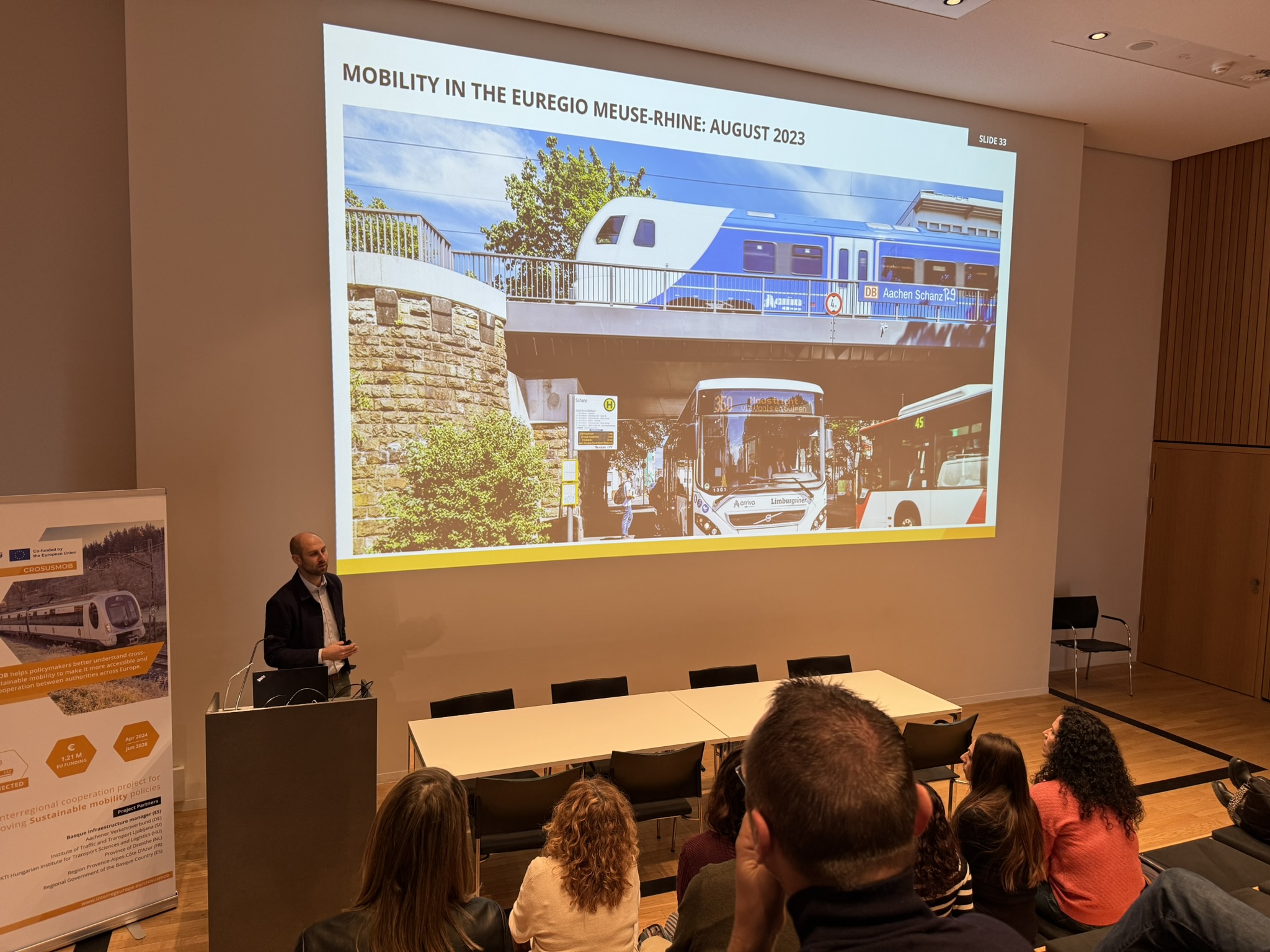
The AVV was also able to contribute its expertise. At the project meeting in Aachen, partners from the region presented, among other things, Euregional cooperation in public transit, the easyConnect ticketing project, and activities and goals in Interreg projects. Field trips to Maastricht and discussions with regional stakeholders highlighted just how closely mobility and cross-border cooperation are already intertwined in the Euregio Meuse-Rhine.
Actively Engaging the Region
An important component of CROSUSMOB is collaboration with regional stakeholders, who act as multipliers to contribute to the project while also sharing insights into their work. To this end, the AVV has established its own network of experts, which includes, among others, the Euregio Meuse-Rhine, go.Rheinland, the City of Aachen, and the Province of Limburg. In this way, regional experiences and perspectives are directly integrated into the project, and the insights gained can be put to use right on the ground.
Joint Study Provides New Insights
Accompanying this exchange of experiences is a comprehensive study on cross-border mobility in Europe. Among other things, it examines perceived barriers to mobility, aspects of environmental sustainability, and the accessibility of cross-border transportation services. The goal is to better understand the various challenges and success factors in European border regions and to derive practical recommendations for action.
Driving Tomorrow’s Mobility
The challenges of cross-border mobility are similar in many parts of Europe. CROSUSMOB therefore creates a framework for pooling experiences, learning from one another, and making successful approaches available across national borders. The insights gained from the project are intended to help further develop existing mobility options and make public transportation in border regions more attractive and sustainable in the long term. This intensive collaboration fosters valuable networks and sustainable structures that can provide added value even beyond the scope of the project.