

A project takes shape through dialogue: Municipalities and partners are working together to develop a vision for the Revierbahn West
A Key Project for Structural Change in the Rhineland Mining Region
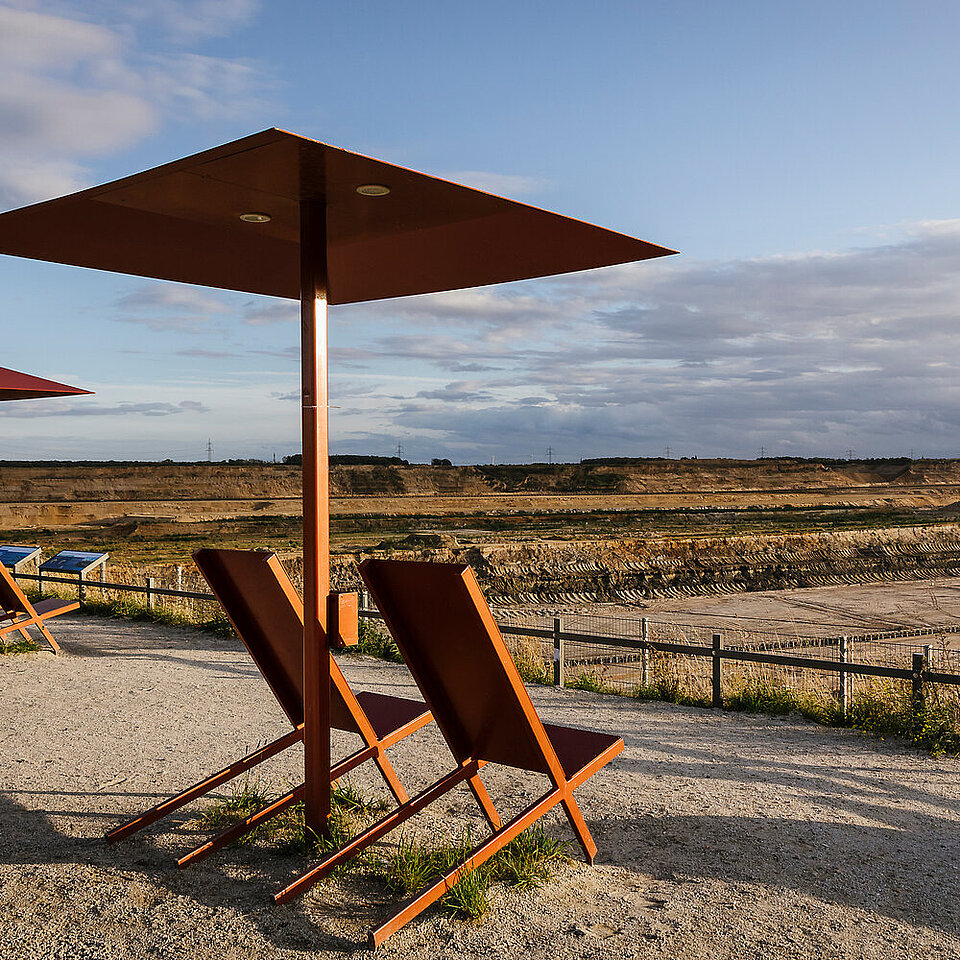
How can a sustainable rail connection support the Rhineland mining region as it undergoes structural change? Since 2025, municipalities, regional public transit authorities, ministries, associations, and other stakeholders have been working together to address this question as part of the spatial analysis and feasibility study for the Revierbahn West. The focus is on an open-ended planning process that systematically examines opportunities, requirements, and development prospects for the region. The Revierbahn West is intended to provide an efficient connection between Aachen, Jülich, and the Erft corridor, close existing gaps in the rail network, and create new mobility options for the people of the Rhineland mining region. At the same time, the project makes an important contribution to structural change in a region that is reorienting itself following the end of lignite mining.
The Revierbahn West is being evaluated as a potential infrastructure project within the framework of the Rhineland Mining Region’s structural development. Whether and in what form a future implementation might be eligible for funding is the subject of ongoing studies and further political decisions.
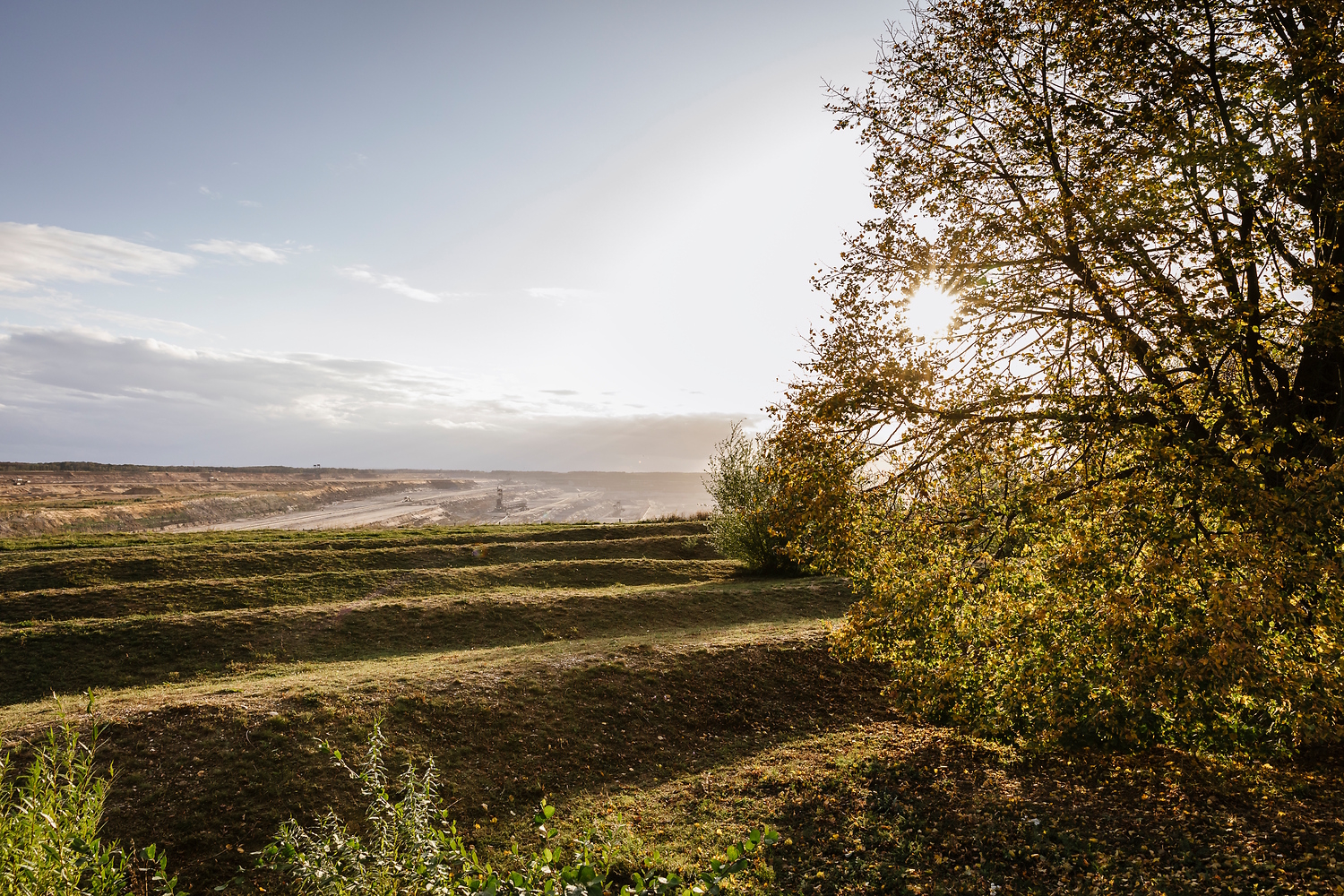
New Perspectives Between Aachen, Jülich, and the Erft Corridor
The subject of the feasibility study is the examination of various approaches for a high-performance rail connection between Aachen, Jülich, and the Erft Corridor. The study considers different infrastructure and operational concepts and analyzes their transportation, economic, and spatial impacts. Particular focus is placed on connecting cities and municipalities in the Rhineland mining region, as well as key innovation hubs such as the Jülich Research Center, Brainergy Park Jülich, the Aldenhoven Testing Center, and other forward-looking locations in the region. The study also examines how commercial and industrial areas in the Rhineland Mining Region can be better connected to the rail network.
The new rail connection is also intended to strengthen links to the regional hubs of Aachen, Cologne, Düsseldorf, and Neuss, thereby offering commuters traveling to and from the Rhineland Mining Region attractive alternatives to driving.
Launch of the Feasibility Study
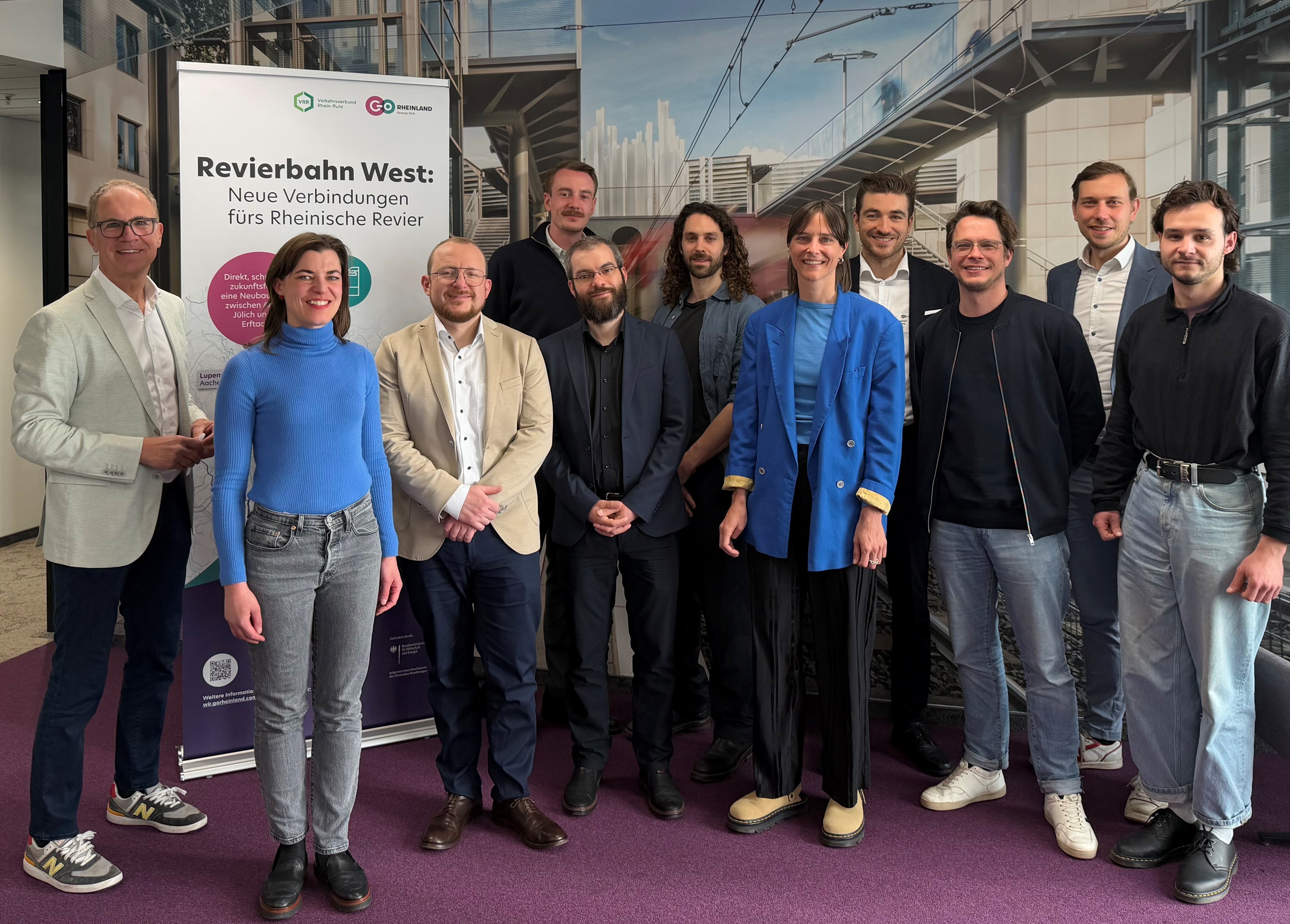
In 2025, the focus was primarily on developing and discussing possible route alternatives. Together with the Rhine-Ruhr Transport Association (VRR) and the Ministry of the Environment, Nature Conservation, and Transportation of the State of North Rhine-Westphalia (MUNV), go.Rheinland officially launched the spatial analysis and feasibility study. In working groups and steering committees, representatives from a total of 16 municipalities, 3 districts, rail infrastructure companies, the Cologne Regional Government, the Ministry of the Environment, Transportation, and Nature Conservation of the State of North Rhine-Westphalia, and other institutions contributed their perspectives, requirements, and local knowledge to the process. Through these various participation formats, the project succeeded in constructively bringing together the region’s interests and jointly developing possible preliminary route corridors.
For the study, the search area was divided into two so-called “focus areas”:
- Focus Area 1: Aachen – Jülich
- Focus Area 2: Jülich – Erft Corridor (Bedburg/Bergheim)
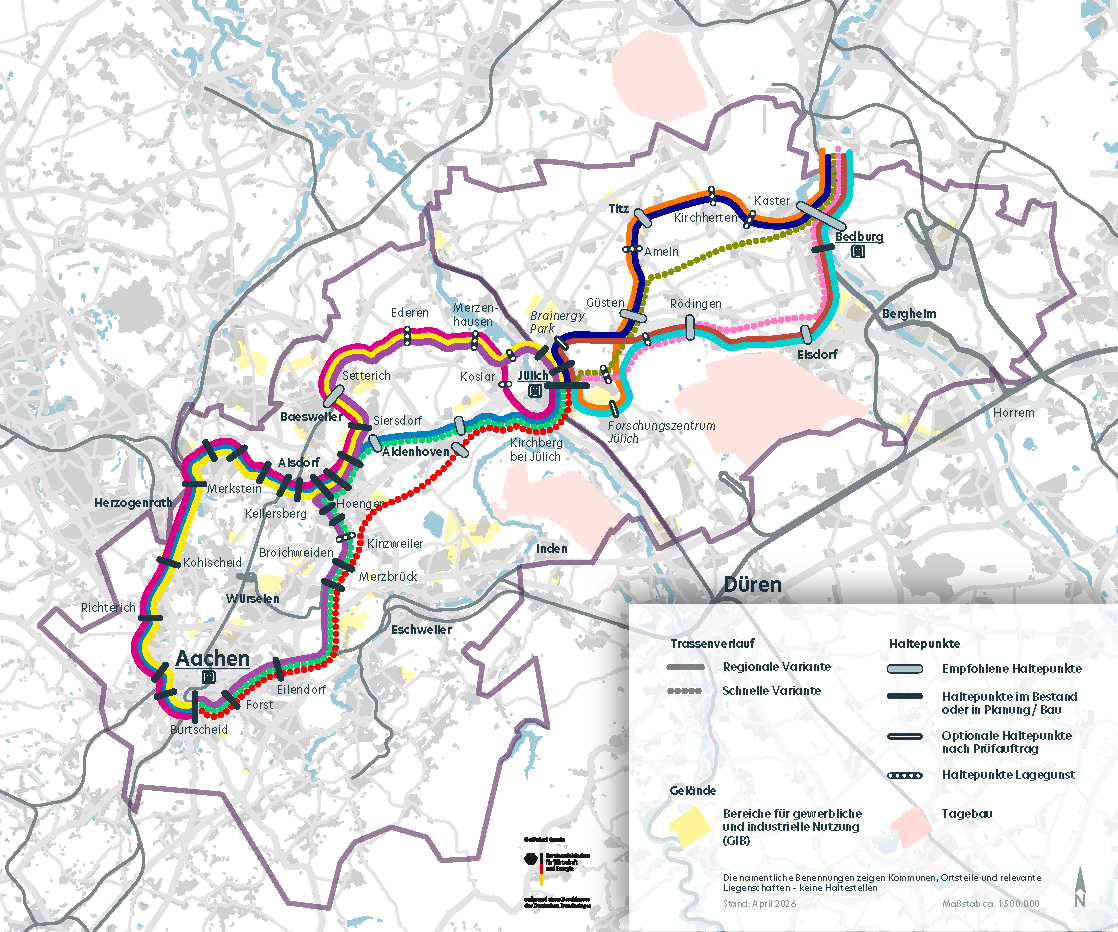
For each of the two areas, four regional and two rapid preliminary route options were developed and evaluated. In addition, potential connections to other transportation systems and development sites were examined. By July 2026, the municipalities, counties, and other institutions had submitted their comments on the preliminary routes. By late summer 2026, go.Rheinland will evaluate these comments and submit them as a regional consensus to the go.Rheinland Special-Purpose Association.
The project team within go.Rheinland GmbH itself does not make a recommendation for a specific alternative. Rather, the aim is to present the available knowledge transparently and to provide policymakers with a robust decision-making basis from the region.
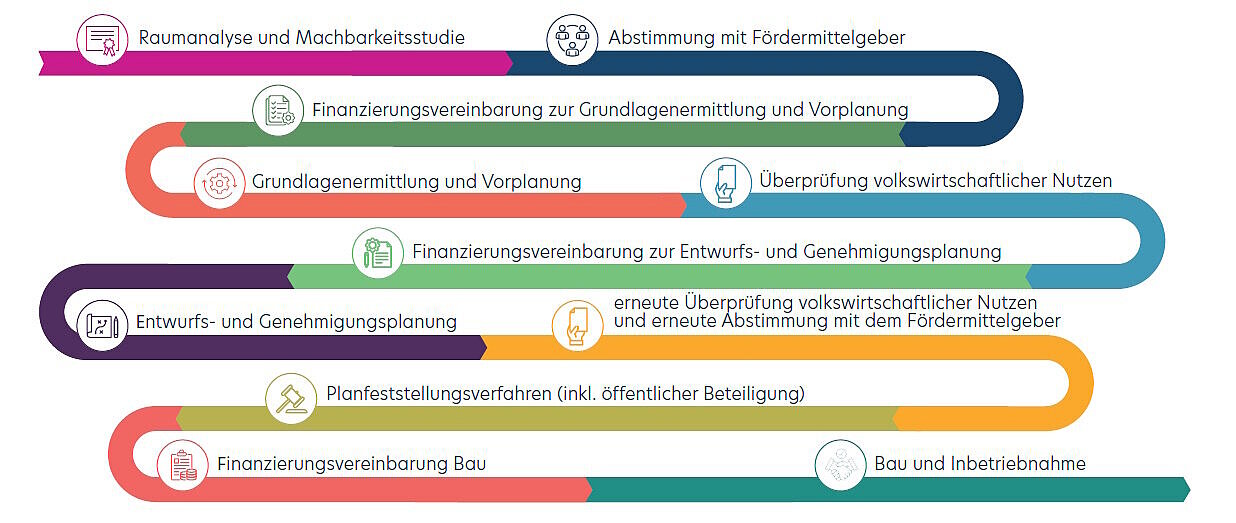
Only after a political decision is made in the fall of 2026 in favor of a preferred option can further planning steps follow. These include, among other things, in-depth studies, the determination of economic benefits, and the calculation of the benefit-cost ratio as a basis for potential further funding and financing decisions.
Mobility as a Driver of Change
The debate surrounding the Revierbahn West serves as a prime example of how mobility can support structural change in the Rhineland mining region. With new residential neighborhoods, research centers, and commercial areas, the demands on regional connectivity are changing. The feasibility study aims to demonstrate the potential contribution of an efficient rail connection in this context.
 © MUNV Mark Hermenau
“The Revierbahn West is providing strong impetus for structural change and the transportation transition. The project, which involves building a new rail line across the coalfield, opens up new opportunities for regional development and climate protection. As a state, we support close cooperation with all stakeholders.”

“The Revierbahn West is not yet a completed infrastructure project, but rather a collaborative exploration and development process for the region. Our goal is to present all relevant information transparently and, together with the participating municipalities and counties, to create a solid foundation for the upcoming political decisions. The strong sense of unity and constructive cooperation within the region demonstrate how important this project is for the future of the Rhineland mining region.”
Working Together for Tomorrow’s Mobility
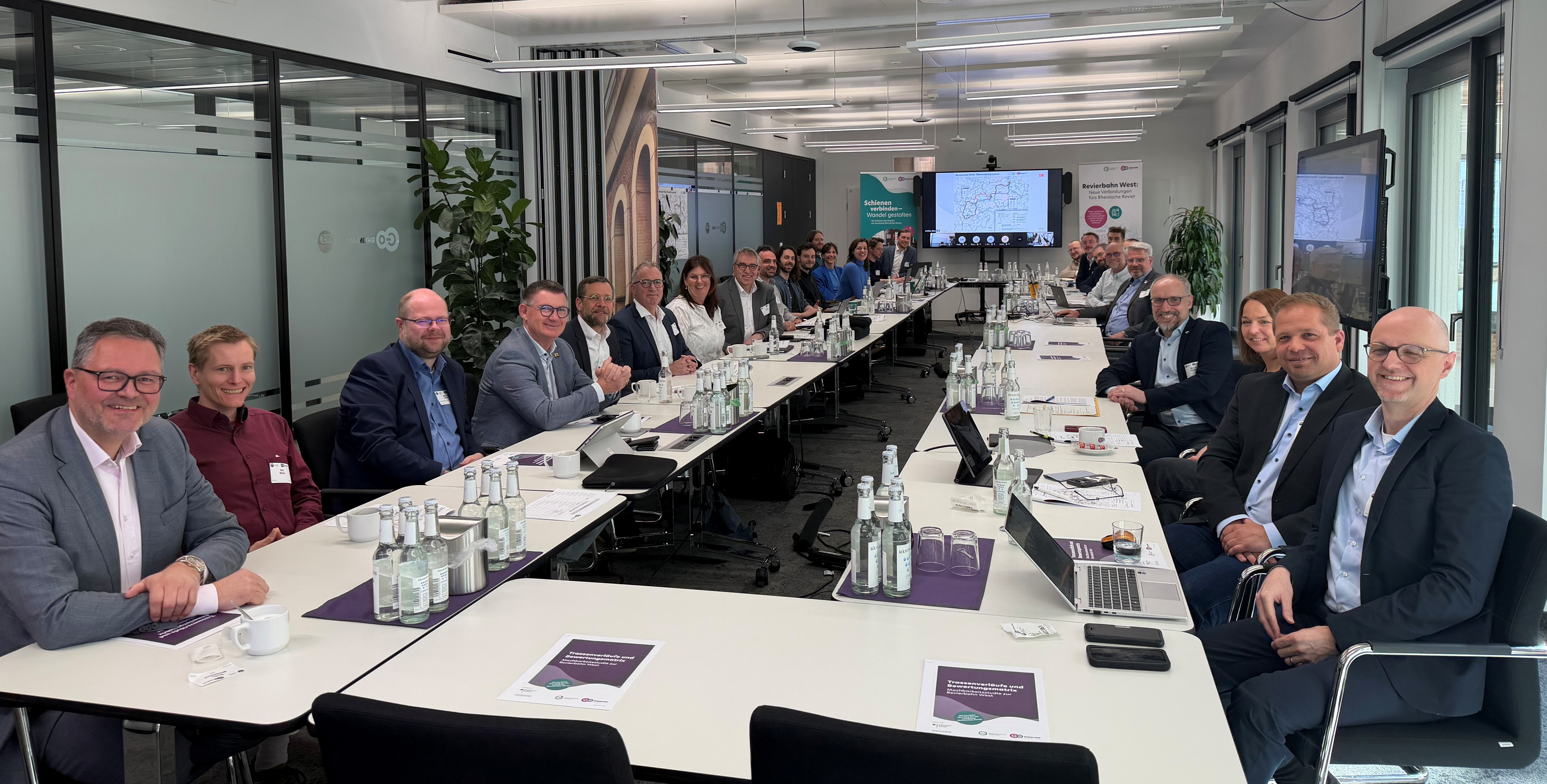
Revierbahn West is currently, above all, a participatory and development process for the entire Rhineland mining region. Municipalities, counties, transportation stakeholders, and other partners are working together to identify the opportunities, challenges, and requirements of a potential future rail connection.
The intensive dialogue within the working groups and steering committees served as a strong symbol of regional cohesion. Through municipal representatives, the concerns of a total of 16 municipalities and 3 counties were brought to the table.
The region has already taken an important joint step toward systematically examining and preparing potential mobility solutions for the period following the phase-out of lignite.
 © Ralph Sondermann
“The Revierbahn West is an exciting project for the future of the Düren district. It connects our cities and communities with key research, employment, and innovation hubs, thereby laying the groundwork for successful structural change. A modern rail link enhances the appeal of our region for both people and businesses alike.”
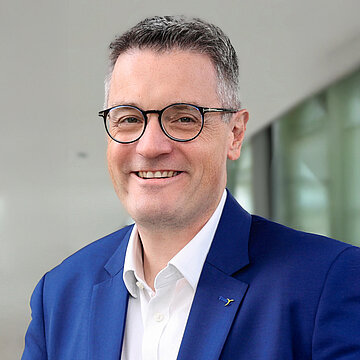 © Katharina Heger
“The Revierbahn West is bringing the region closer together. The new connection improves accessibility within the Rhineland mining region and provides an efficient alternative to private vehicles. In this way, we are making an important contribution to sustainable mobility, economic development, and a strong region.”
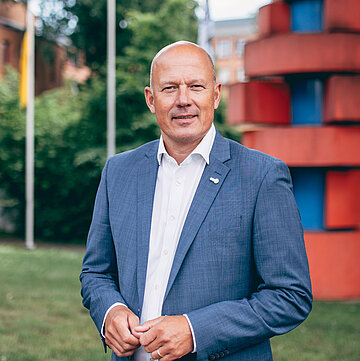 © Rhein-Erft-Kreis
“It is important for the Rhein-Erft District to examine the opportunities presented by improved rail connections at an early stage and with an open mind. By involving local governments, institutions, and other stakeholders, the feasibility study will also lay a solid foundation for developing shared visions for the Rhineland mining region.”
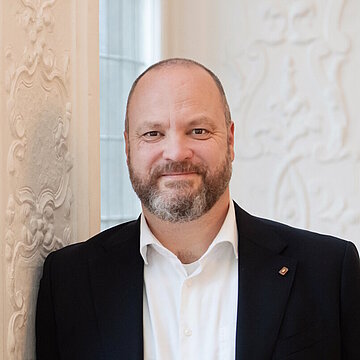 © City of Aachen/Heike Lachmann
“go.Rheinland is a strong and reliable partner for the mobility transition in our region. This close collaboration lays the groundwork for an attractive, efficient, and climate-friendly public transit system—one that benefits people in Aachen as well as throughout the Rhineland.”


