

Times of upheaval always bring opportunities as well
The Heads of the go.Rheinland, AVV, and VRS Associations on the Structural Reform of Regional Public Rail Service in North Rhine-Westphalia
The amended Public Transportation Act for North Rhine-Westphalia has been in effect since mid-May. Even before then, intensive behind-the-scenes coordination had been underway with the state, the two other funding authorities, and at all political and operational levels within go.Rheinland, AVV, and VRS to determine how the legal requirements could be implemented. We spoke with the heads of the transport associations about the structural reform of regional public transportation in North Rhine-Westphalia, which also affects the transport associations.
Mr. Ramers, in 2027, parts of the existing operating agencies will be integrated into Schiene.NRW. How do you assess the reform as a whole?
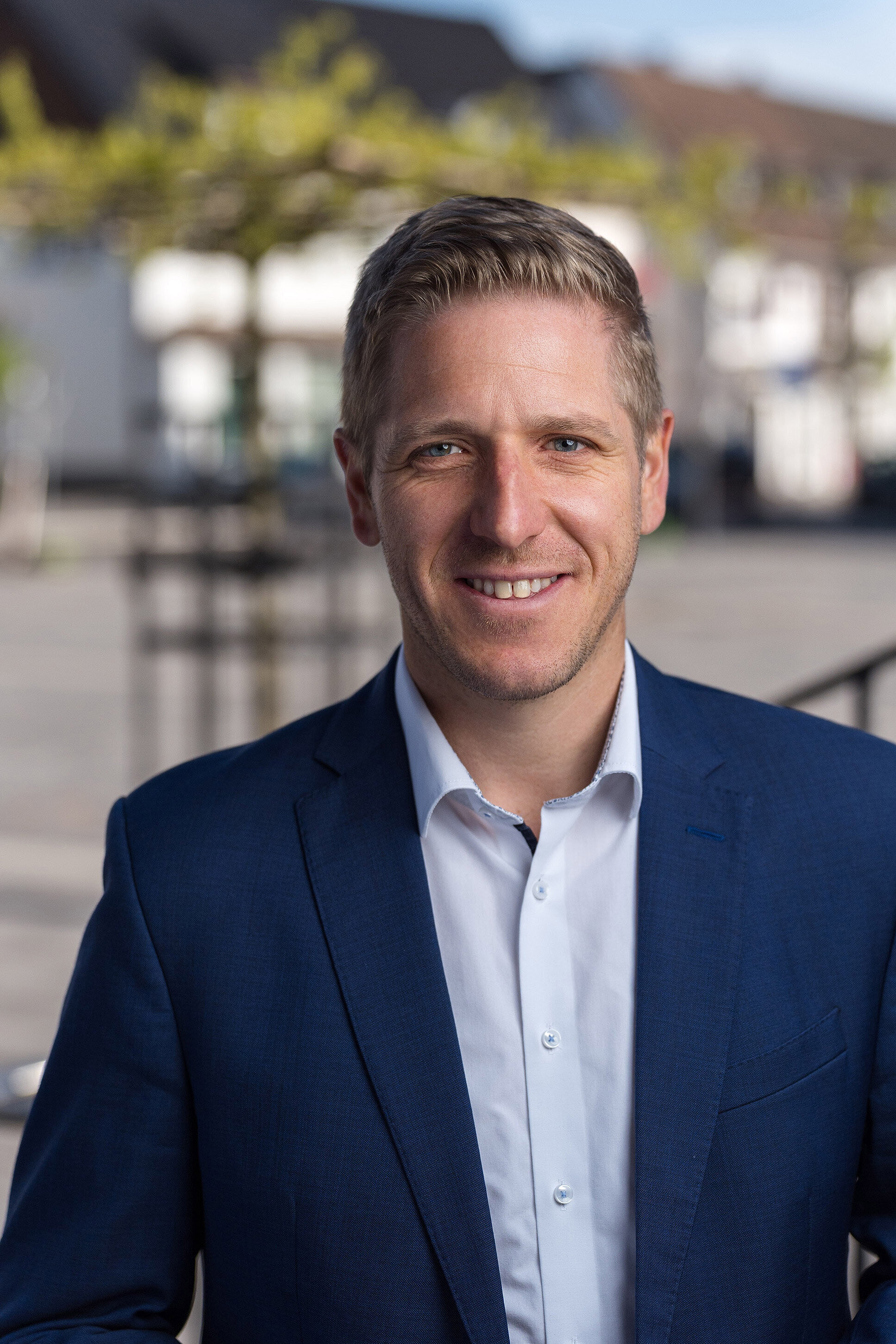
Markus Ramers (Chairman of go.Rheinland and District Administrator of the Euskirchen district):
“I recognize the merit of the goals that the State Ministry of Transportation is pursuing with this new public-law institution. Whether Schiene.NRW is capable of actually achieving these goals remains to be seen—and that is the yardstick by which decision-makers at the state level will have to be measured. We all want better regional rail service for passengers, but I am convinced that the key lies in solid financial resources and better infrastructure—matters for which the federal government is responsible.”
Do you agree with this assessment, Dr. Ziemons?
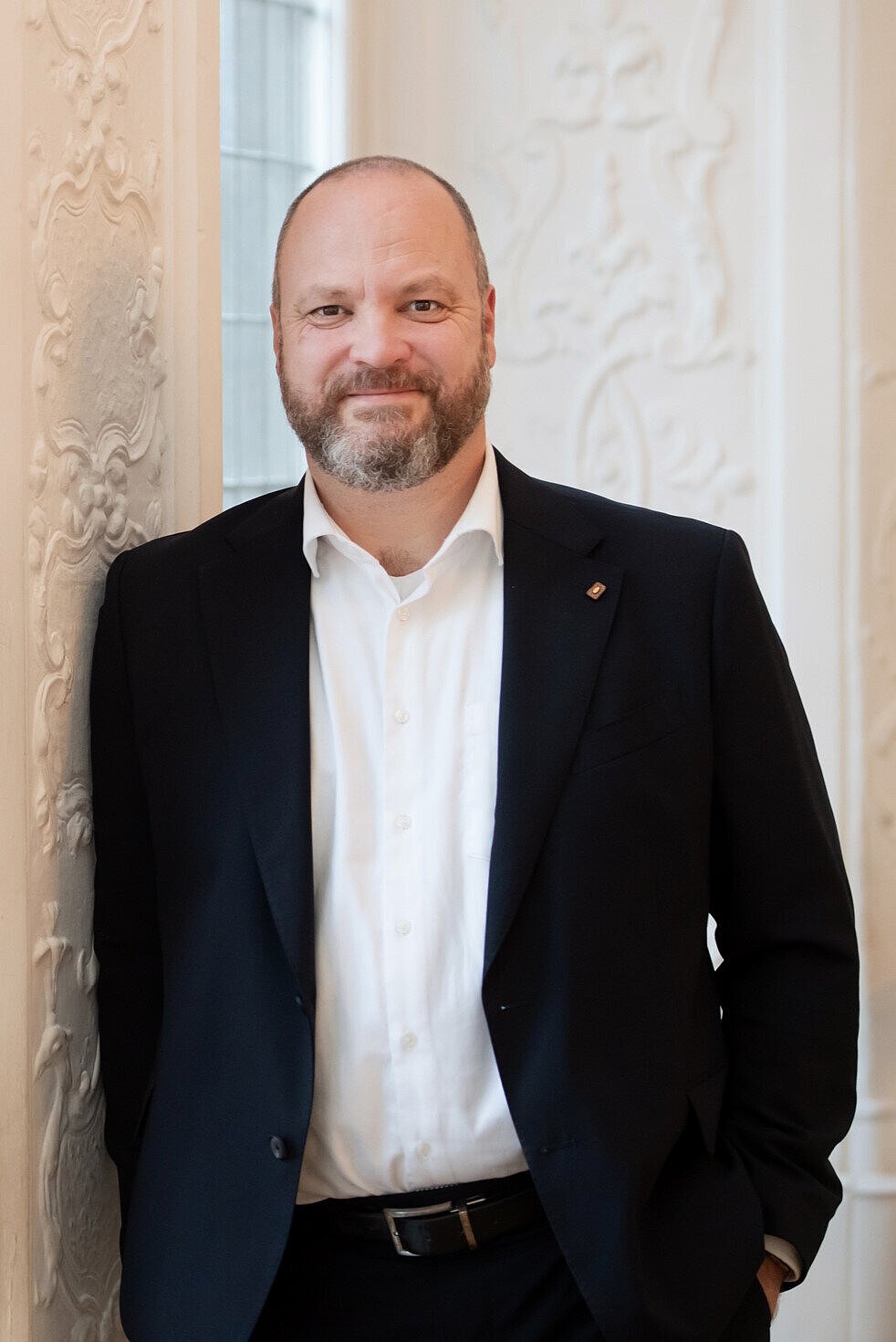
Dr. Michael Ziemons ( Chairman of the AVV and Mayor of Aachen):
“Despite the always understandable desire for greater centralization, uniform management, and stronger support for local rail passenger transport, we must not lose sight of local conditions and needs. After all, we here on the ground know best which investments are necessary, where targeted measures are effective, and how we can sustainably increase the appeal of local rail passenger transport. This regional perspective must be preserved even with stronger central control.”
Mr. Schuster, what is your position on the reform?
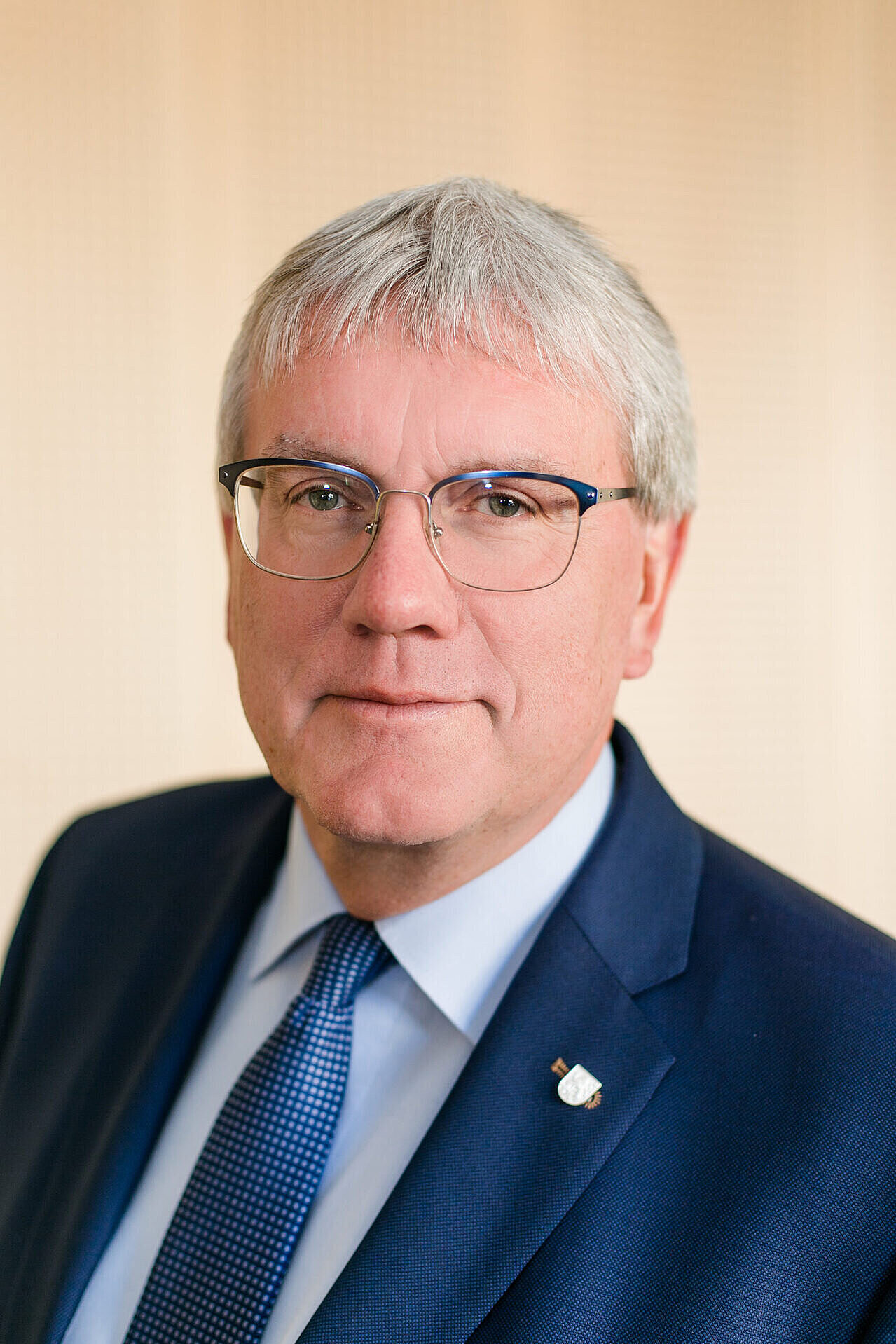
Sebastian Schuster (Chairman of the VRS and District Administrator of the Rhein-Sieg District):
“I also share my colleague Ramers’ view on this: The new agency has been approved, so it should demonstrate what it can achieve for regional public transportation in North Rhine-Westphalia. Upheavals always present opportunities as well. With regard to the VRS and AVV transport associations, as well as the newly structured go.Rheinland, it is immensely important to me that the state’s financial support be structured in such a way that these important and valuable tasks can continue. Unfortunately, it remains unclear to me how the lenders will handle this change. If additional costs arise here, I clearly believe the state has a responsibility to cover them.”
Dr. Michael Ziemons: “That’s my concern as well:
If the AVV and VRS special-purpose associations merge under the umbrella of go.Rheinland, the funding must be sufficient to cover existing tasks and staff. The municipalities must not be put in a position, as a result of a reform initiated by the state, where they have to cover a potential deficit through a levy. Especially since many municipalities would not be financially able to do so.”
After all, concepts other than an AöR were also under consideration as a way to implement the ministry’s reform agenda…
Sebastian Schuster:
“That’s right. And I would have considered the proposal by go.Rheinland to establish a regional public transit working group with the participation of the ministry to be the ideal solution. The municipalities would have retained their ability to shape policy while keeping financial risks under control, and the state would have gained a greater say and influence. A win-win arrangement. But now that the law has been passed, we must make the best of the new situation. Looking ahead, I hope to see a renewed emphasis on the principle of local self-government: State administrative bodies should be established only in exceptional cases, when there are specific reasons preventing a task from being carried out at the lowest level.”
Mr. Ramers, based on the current situation, what will the structure of the new go.Rheinland special-purpose association be?
Markus Ramers:
“When the AVV and VRS special-purpose associations merge into the go.Rheinland special-purpose association, we’ll be realizing what the organizations started with the go.Synergie project: more collaboration, more common ground, and a stronger pooling of resources. We will continue to address immensely important areas such as infrastructure funding and development, connected mobility, mobility management, as well as fare structures and sales, market research, marketing, and revenue sharing at the regional level. I am convinced that the teams in Cologne and Aachen will continue to work on these areas with passion, expertise, and dedication.”
Sebastian Schuster:
“In this context, I would like to mention how grateful I am that, during the planning process for Schiene.NRW, the decision was made to retain three main offices, including here in Cologne. Securing these locations is a key factor in preserving the technical expertise of VRS, AVV, and go.Rheinland.”